At lower levels in the auction, we use double to ask partner to bid, when we have points but no natural bid of our own. Playing in a doubled contract though, means that the penalties for not hitting your trick target are greater, and sometimes that is what we want to happen, if we think our opponents have bid too much.
How do you know when your double, or your partner’s, is intended to penalise the opponents, rather than asking you to bid.
Question 1/7
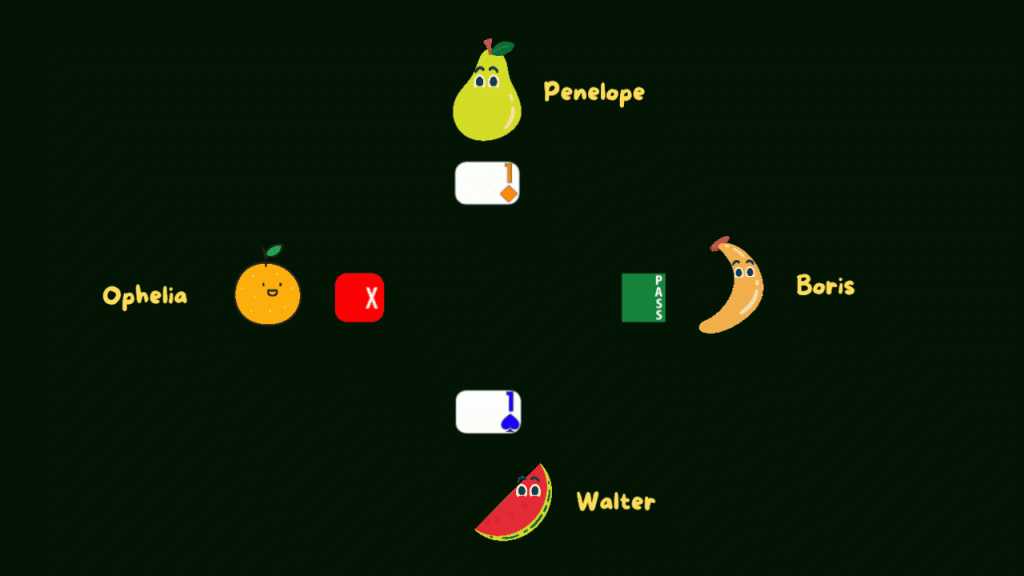
Is Ophelia’s double here for takeout or penalty?
None of the criteria for low level doubles being penalty have been met. No suit has been bid and agreed, no pre-emptive bid has been made, and neither side has opened the bidding in NT, so this double is takeout. Ophelia is showing the two unbid suits - clubs and hearts - at least 4-4.
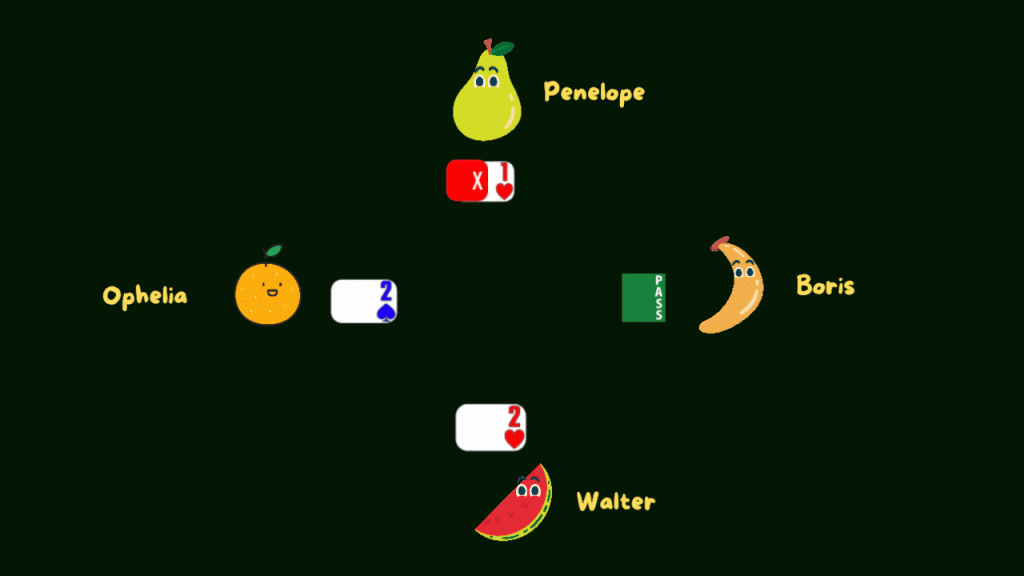
Is Penelope’s double takeout or penalty?
Again, we have a double below the level of game, so we check whether any of the three cases where double would be for penalty apply. You can see that Penelope has opened 1♥ , and Walter has agreed the suit by bidding 2♥ . In this case, it makes no sense for Penelope to be asking Walter for a choice of suits. Her double is penalty. She will have a stronger hand than she has shown so far, and she does not believe that Ophelia can make 2♠. By doubling, she increases the score for her and Walter for every trick that Ophelia goes off in her contract.
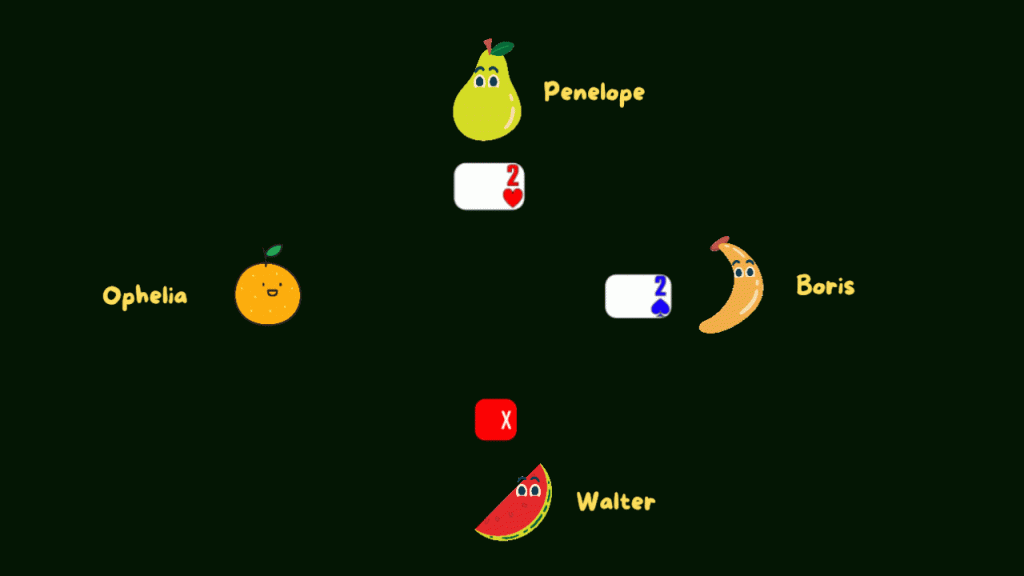
Walter is the one doubling this time. Takeout or penalty?
Again, a low level double, so check your criteria. Penelope opened 2♥ - a pre-emptive opening, showing 6 - 10 points and six hearts. Since his partner's long suit is known, it does not make sense for Walter to be asking her to choose from the unbid suits. He must have a good hand, with good spades, and he does not think that Boris can make this contract. Note that it's unlikely that Walter has heart fit here, as if he had a strong hand with fit he might choose to bid game instead of penalising the opponents. He is also unlikely to have a balanced hand, as with a strong, balanced hand with good spades, he might bid 3NT. The sort of hand that might double here would be four or five spades, one or two hearts, and no stopper in one of the minors.
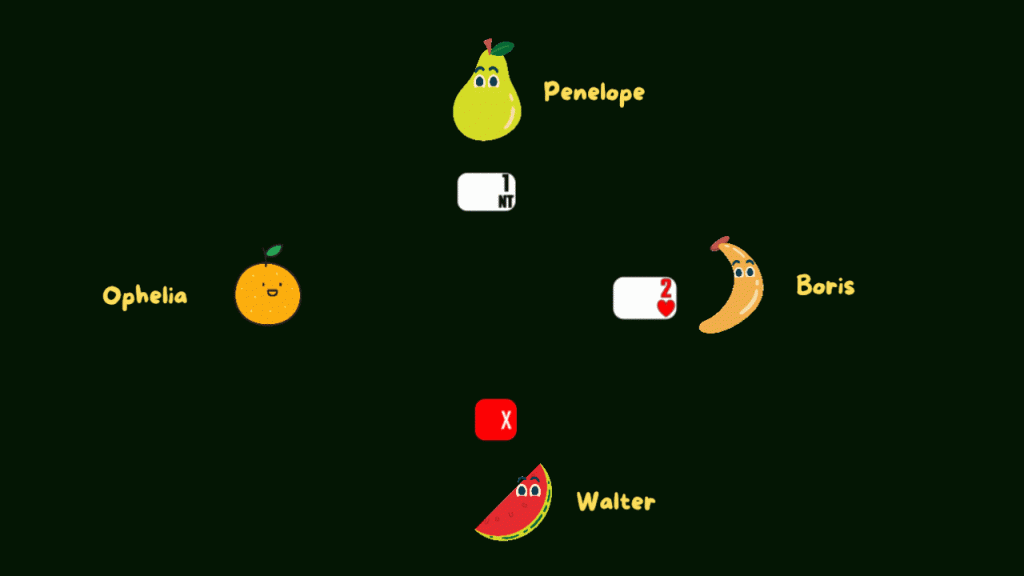
What does Walter’s double show here?
Low level double - remember those criteria? Partner has opened in NT, so doubles are penalty. Walter knows that his side have at least 25 points between them (Penelope has 15-17) so they have enough for game. His double tells Penelope that, and she can now choose to bid on, looking to be in game, or to pass and leave poor Boris to struggle in 2♥ doubled.
Time for Boris to wield the red card. What does his double show here?
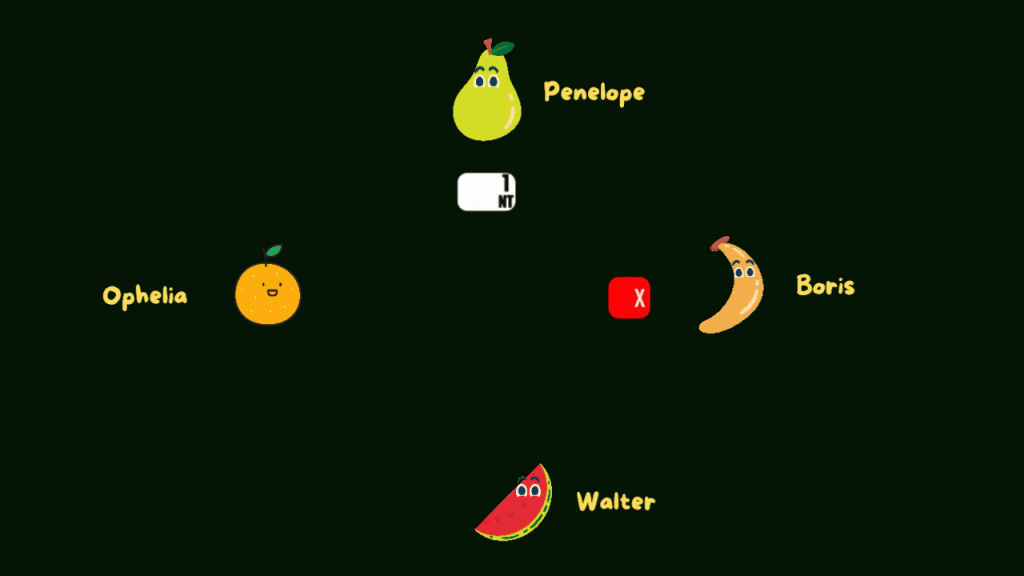
Remember that doubles following NT opening bids by either side are for penalty. In Boris's position, there is no information yet about the other two hands, so he needs a strong hand to make a penalty double - 13 points would not be enough for him to be confident of defeating this contract.
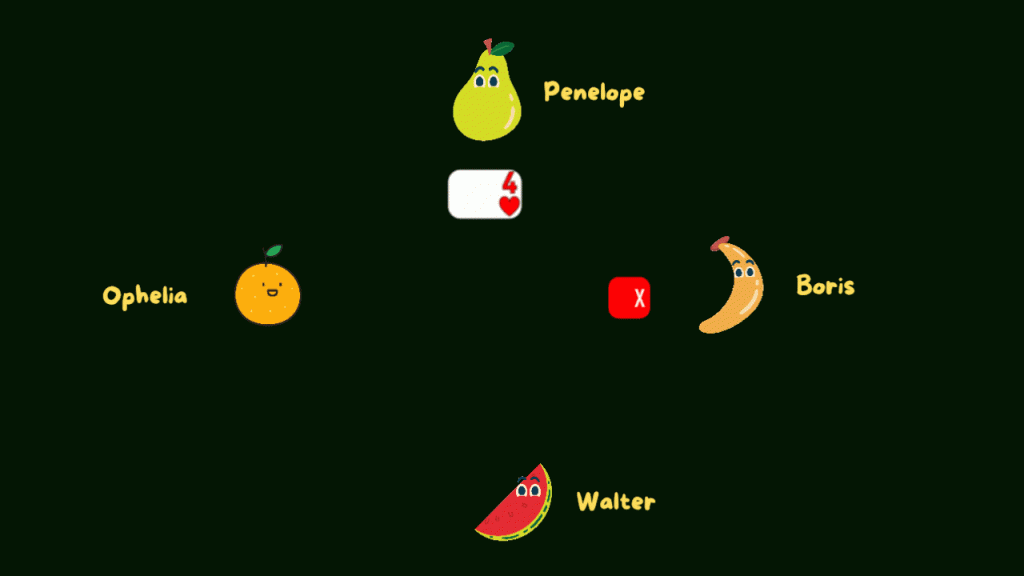
A higher-level double this time. What kind of double is this?
Doubles at or above the level of game are often for penalty, but not always. This game bid has been made pre-emptively. Penelope will have a relatively weak hand, up to about 9 points, with eight hearts. The idea behind her bid is to make it difficult for her opponents to find a good contract. Boris needs to be able to consult his partner by making a takeout double if he has a strong hand but it's not clear which contract will be best. His partner does, as with all takeout doubles, have the option to pass if she believes that they will get a better score that way (say she has three or four hearts and no real interest in playing in game in another suit). She is effectively converting the double from takeout to penalty.
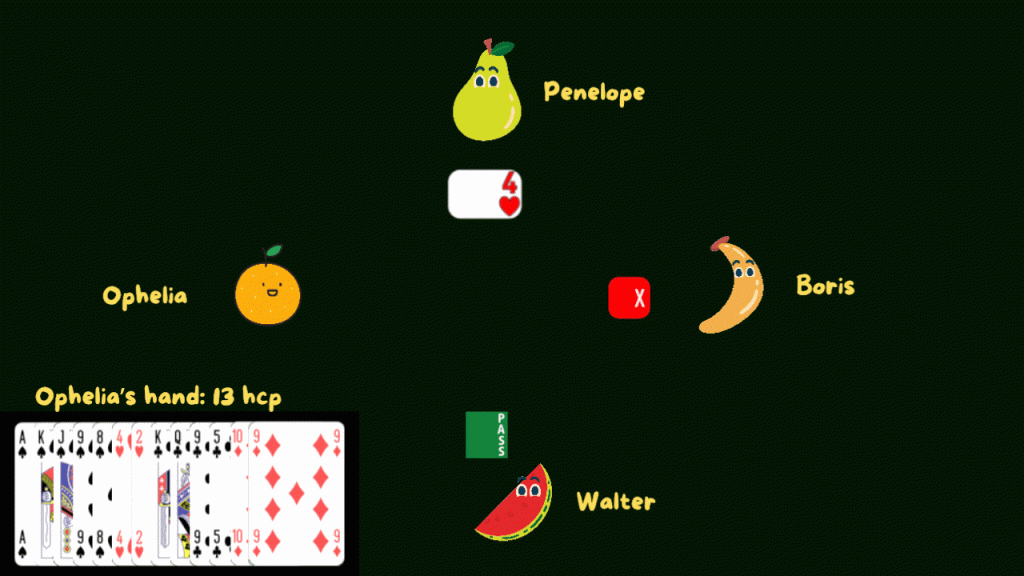
Let’s look at that same situation from Ophelia’s side now. What do you think she should do with this hand?
Boris must have a good hand in this auction, as he is either expecting to defeat 4♥ if his partner passes the double, or to be happy in any contract above 4♥ that his partner bids. With only two small hearts in her hand, Ophelia thinks that Penelope might well be able to make 8 tricks, only going two off in 4♥. Ophelia knows that her side will get a better score by bidding and making game. She has a very nice spade suit and Boris has shown tolerance for spades with his takeout double, so she should bid 4♠. Bidding 6♠ would be reckless, as Boris could also have two hearts in his hand and the defence could take the first two heart tricks.
The links will take you to the Bridge Training website, where you can have a go at different doubles. You will then be able to play the hands and see if you can make your contract. Have as many goes as you like if you don’t succeed the first time.