Responding to Minor Suit Openings without 4+ Cards in a Major
Try some hands
Your partner will open the bidding, and once you have chosen the best response, they will put you in a game contract. If you haven’t already done so, you might want to watch the video on hold-up plays, which you will find in the card play section. Think carefully before you play to the first trick!
This time you will open the bidding, then make a judgement, based on your partner’s response, as to whether or not to bid again. Look out for those finesses.
This time you will need to pick a response to your partner’s minor again. After they rebid to show a balanced hand you should pick the right game.
Your partner will open the bidding and you should choose a response, bearing in mind that you have an unbalanced hand. Your left hand opponent will bid, showing strength in a suit where you are weak, so when partner makes a strong raise of your suit, playing game in that suit looks much safer than 3NT. Sometimes we have to play in minor suits, despite the disadvantages!
Responding to Minor Suit Openings without 4+ cards in a Major.
The fruit will talk you through when to respond in no trumps and the slightly peculiar way in which we respond in minor suits if that’s what we need to do.
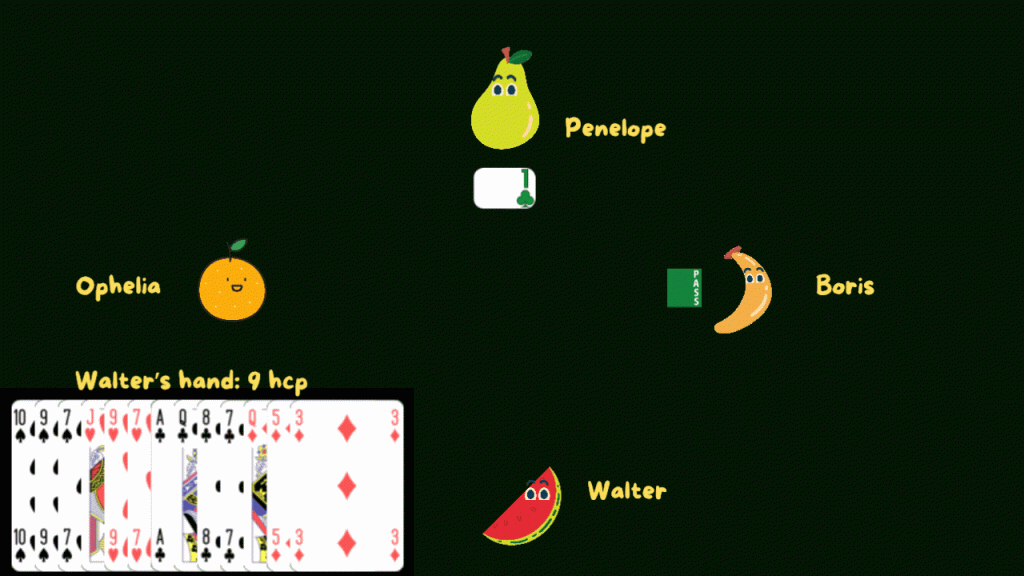
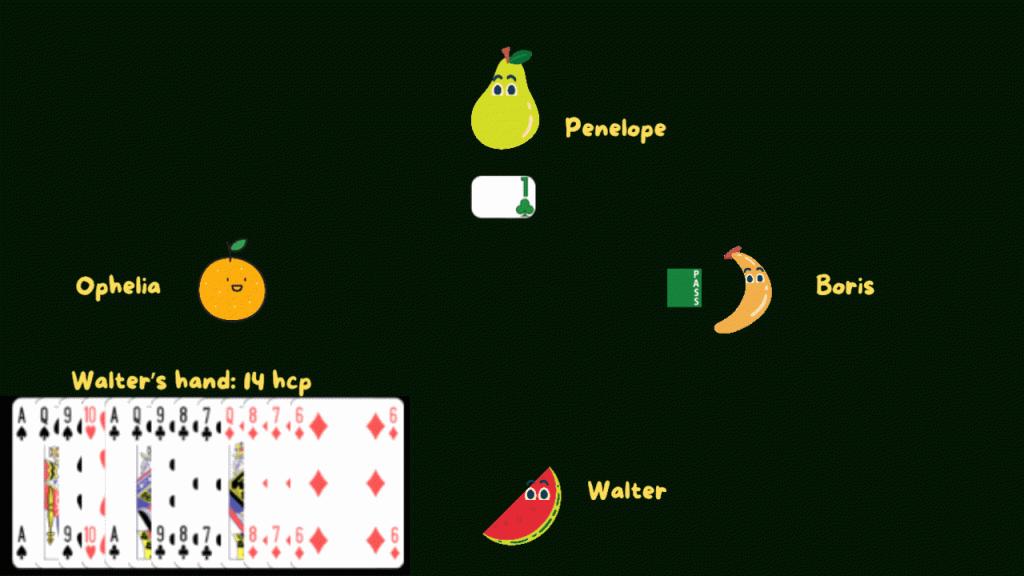
Penelope has opened 1♣. How should Walter respond?
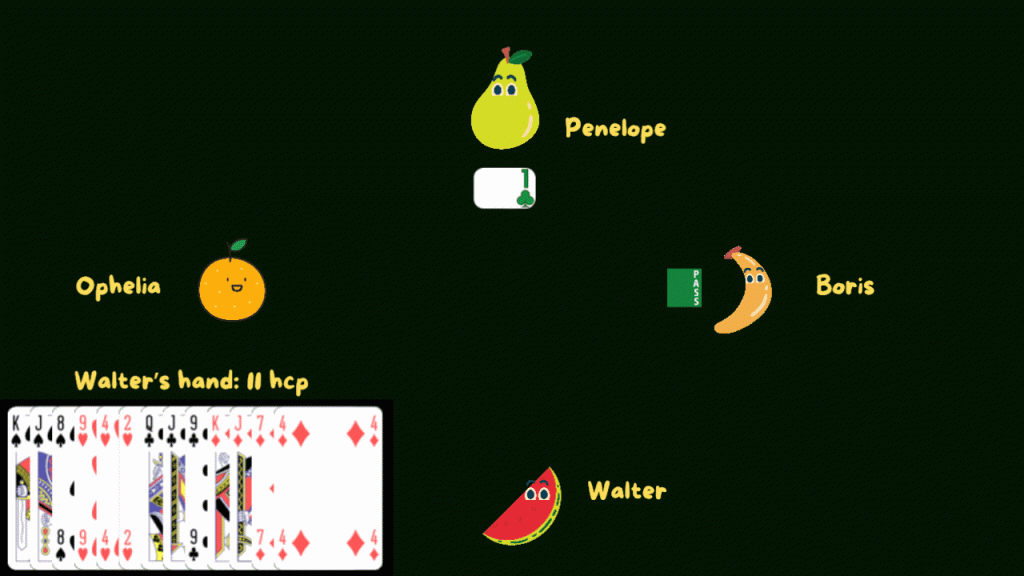
Same situation, but Walter’s hand is a little bit stronger. How can he tell Penelope that with his response?
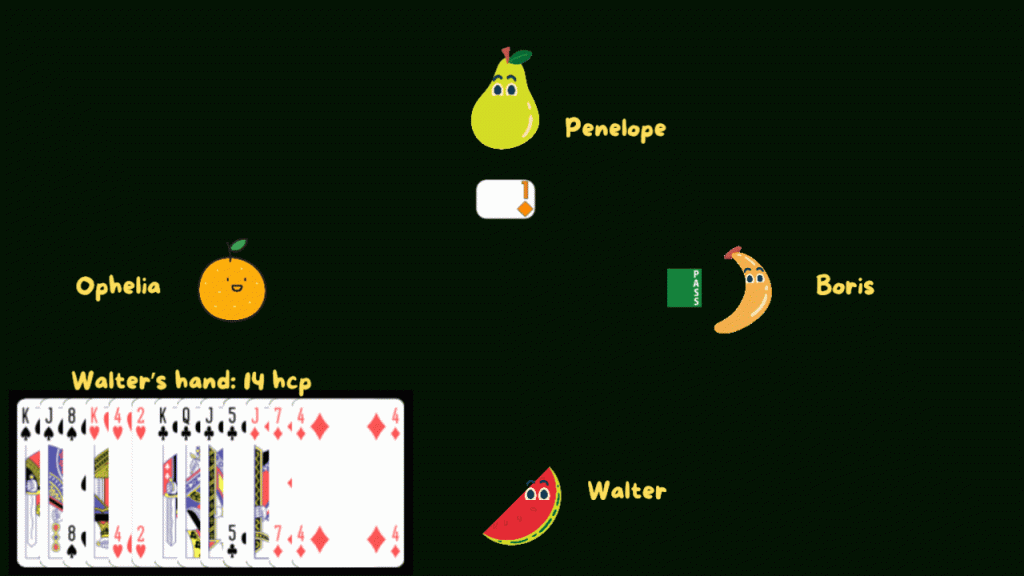
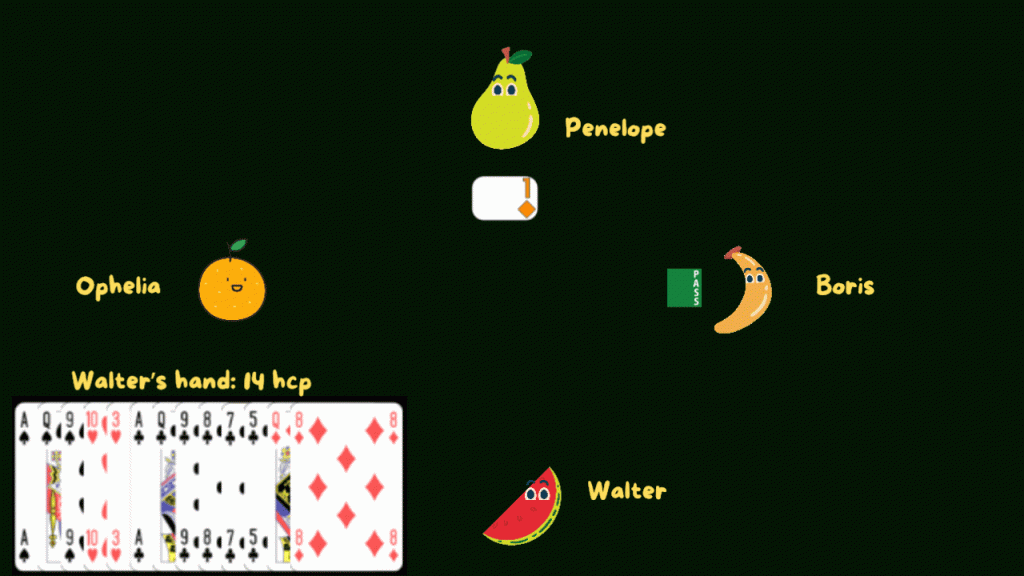
Penelope has opened 1♦ this time. What is Walter’s best bid?
Walter is somewhat surprised when his partner opens 1♦, as he has so many of them himself. How should he respond?
Another nice fit with partner’s opening bid. What should Walter bid this time?
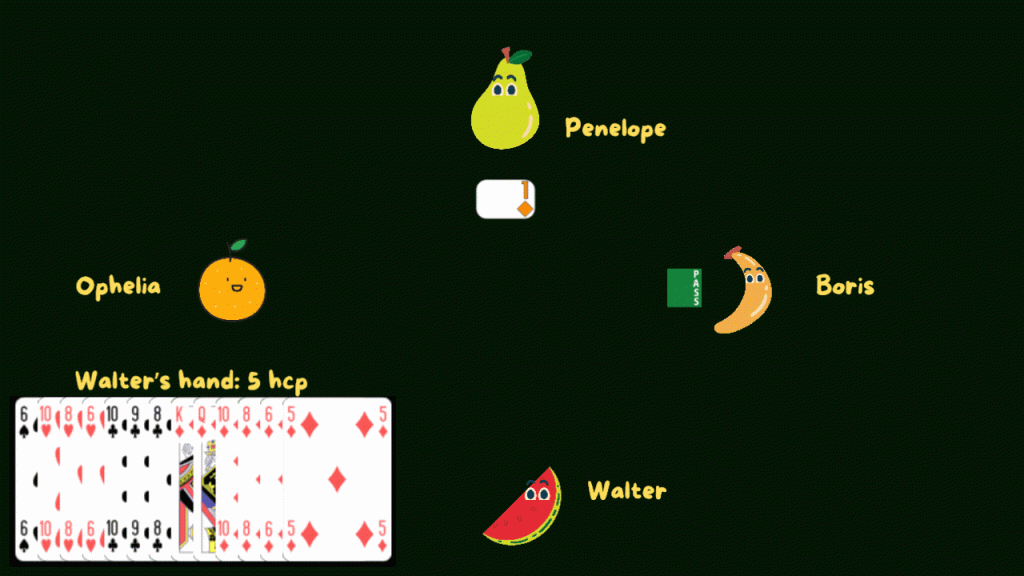
Penelope has opened 1♦ and Walter has a game forcing, unbalanced hand without a four card major. What should he bid?
The links will take you to the Bridge Training website, where, depending on the hand, you will either open the bidding and base your next action on partner’s response, or choose the best response to your partner’s opening bid. You will then be able to play the hand. Have as many goes as you like if you don’t get it right the first time.