Back to Bidding modules
Expert Conventions Expert

Multi Landy

There are a few areas of bidding where simpler systems do a perfectly good job, and players can decide when, if ever, they want to move up a gear in terms of complexity in order to gain extra accuracy. Overcalling the opponents’ 1NT is one such area. Once you are fully familiar with all other aspects of overcalling a 1NT opening, you may want to switch to a Multi Landy system. This system allows you to describe a variety of overcalling hands more precisely. However, it does require a fair bit of learning, and many players continue perfectly happily with the regular system. As with all more advanced system, you have a trade-off here. You can play a system that allows for greater precision in your bidding when your opponents open 1NT, but you will need to put in some extra learning, and make sure that both you and your partner understand the various bids and responses.
Back

Multi Landy

This video will take you through the system that many expert players use when their opponents open 1NT. You should make sure that you are fully familiar with the basic Landy system, as outlined in the video on overcalling the opponents’ 1NT before tackling this more advanced approach.

Question 1/11

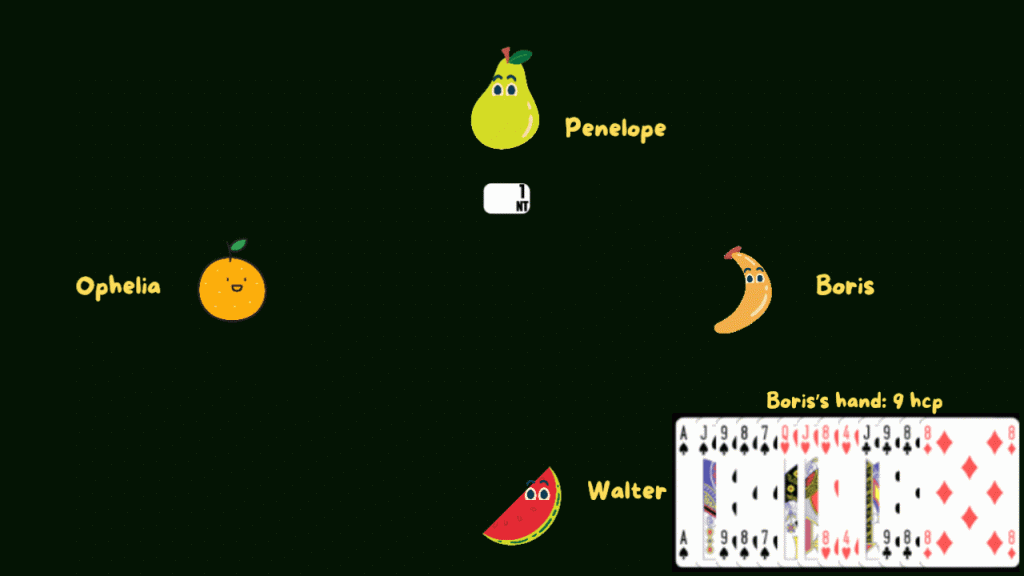
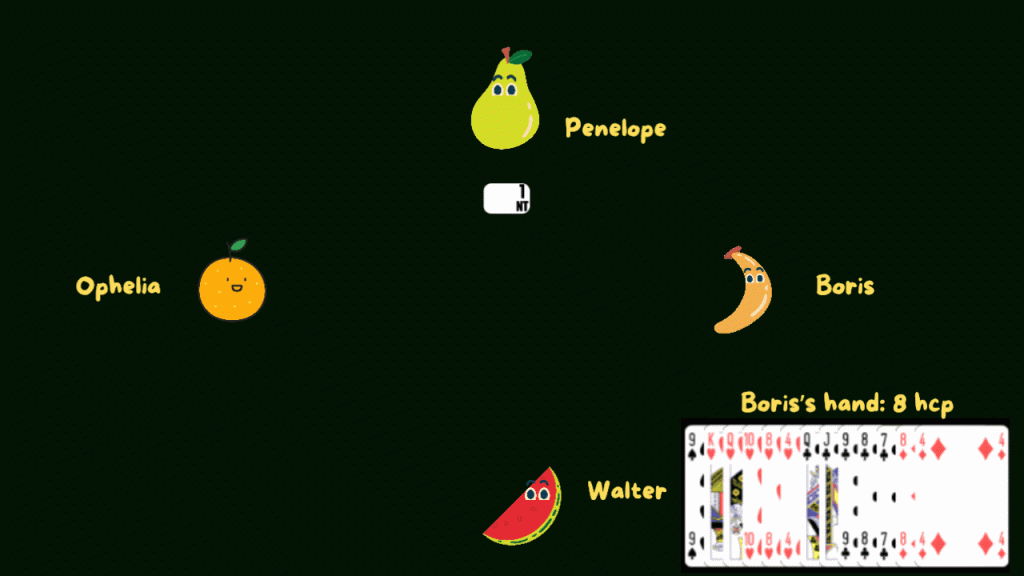
Penelope has opened 1NT and Boris has a nice, shapely hand that definitely merits a bid. It’s usually a good idea to bid if you can over a 15-17 notrump opening, as you know that at least one of your opponents has a good hand and bidding disrupts their communication. What should Boris do with this hand?

Boris has both majors, so he should make exactly the same bid as he would if playing only simple Landy, an artificial 2♣ bid. This shows at least 5-4 in the majors, and his partner will bid her longer major, or 2 if hers are the same length. If that happens, Boris would then bid 2♠, as spades is his longer major.

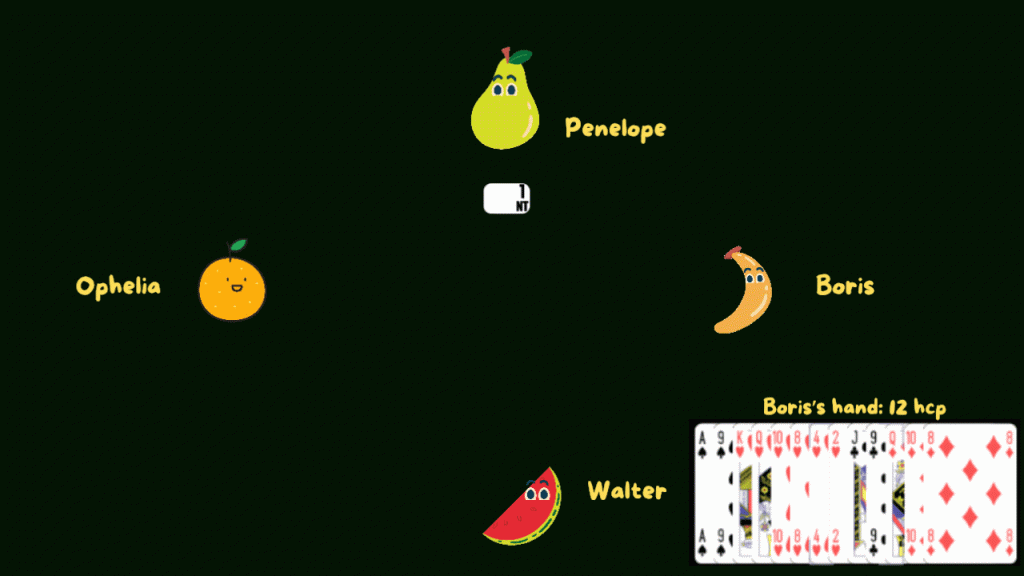
What should Boris overcall after Penelope’s 1NT opening this time?

Boris has a single-suited hand - at least six cards in a major. He shows this by bidding an artificial 2.

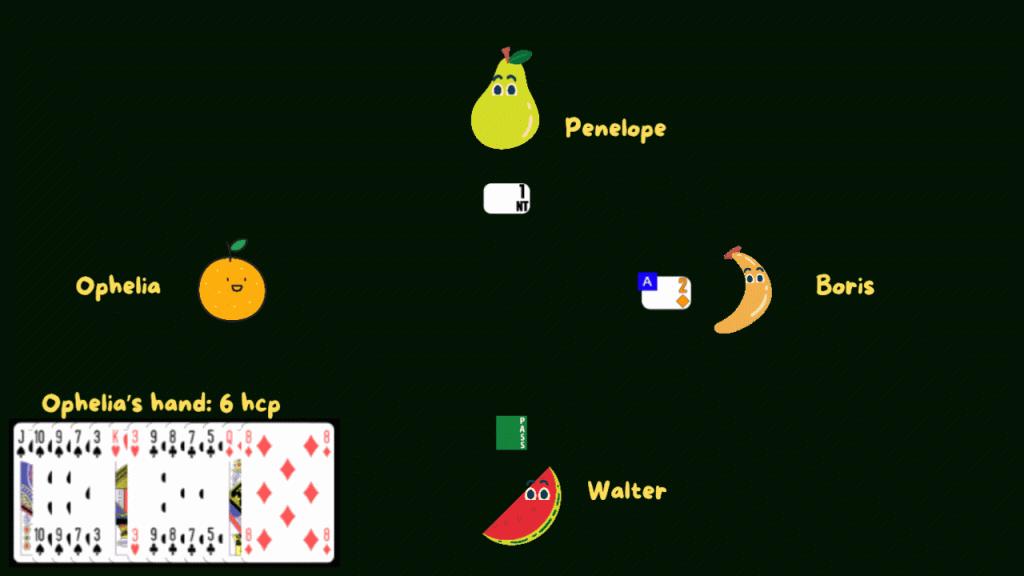
Carrying on that same auction, Ophelia now has to respond to her partner’s bid. What should she bid?

Ophelia doesn’t know which major Boris has, so she needs to make the bid that allows him to play in either one. By bidding 2, a ‘pass or correct’ bid, she makes it possible for him to pass and play in hearts when that’s his suit, and to correct to spades if that’s the suit he has.

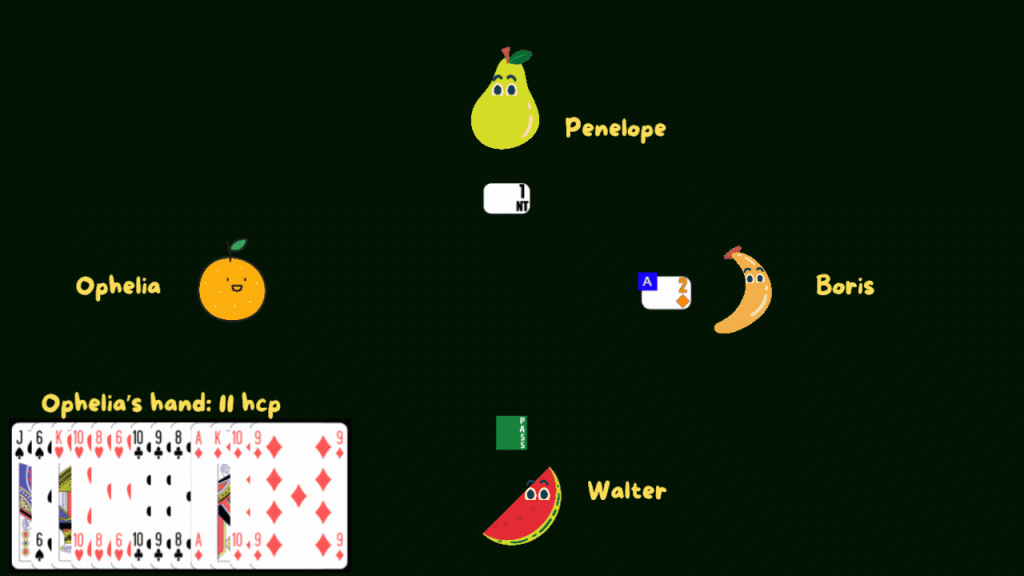
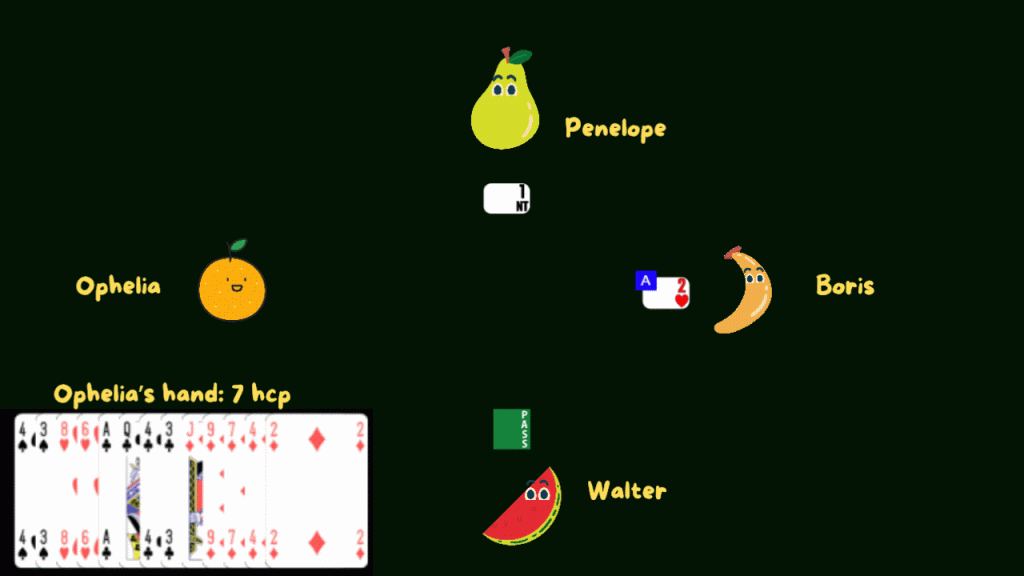
Same stage in the auction, but Ophelia has a different hand. How should she respond this time?

It may seem counter-intuitive that Ophelia should bid spades when her hearts are so much better, but because this is also a ‘pass or correct’ bid, she knows that Boris will pass if spades is his major and they will only have to play the two level. If he has hearts, however, Ophelia is happy for him to correct to that suit (which he has to do at the three level) because she can be confident that they are likely to make 3. By doing this, she sends a message to Boris that she has a good hand for hearts, and he may choose to bid 4 if he is at the upper end of the range for his bid. With a better hand, Ophelia might bid on to 4 herself if Boris bids 3, because once he confirms that his suit is hearts, she would want to be in game, even if he is minimum for his original bid.

Same start to the auction one more time. What should Ophelia bid now?

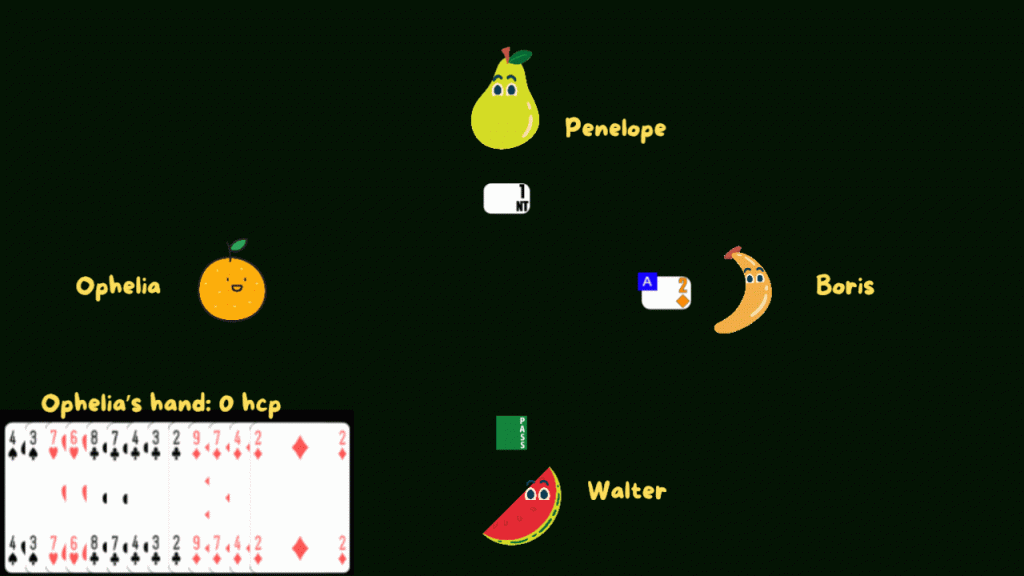
Boris has at least six cards in either hearts or spades - maybe more than six. No matter how much his partner dislikes the idea of playing in any major suit contract, she must still bid 2 for him to pass or correct so that he can play in his long suit.

Back to Boris now. What should he overcall with this hand?

In the Multi Landy system, overcalling two of either major after a 1NT opening shows exactly five cards in the suit bid (with six, the overcall would be 2), and a minor suit of at least four cards.

What do you think Boris should bid here?

Remember how we said it was a good thing to come into the auction if you can over a 15-17 NT opening? With such great shape, Boris should make a bid, and the bid that describes his hand is 2 - five hearts and at least four cards in a minor.

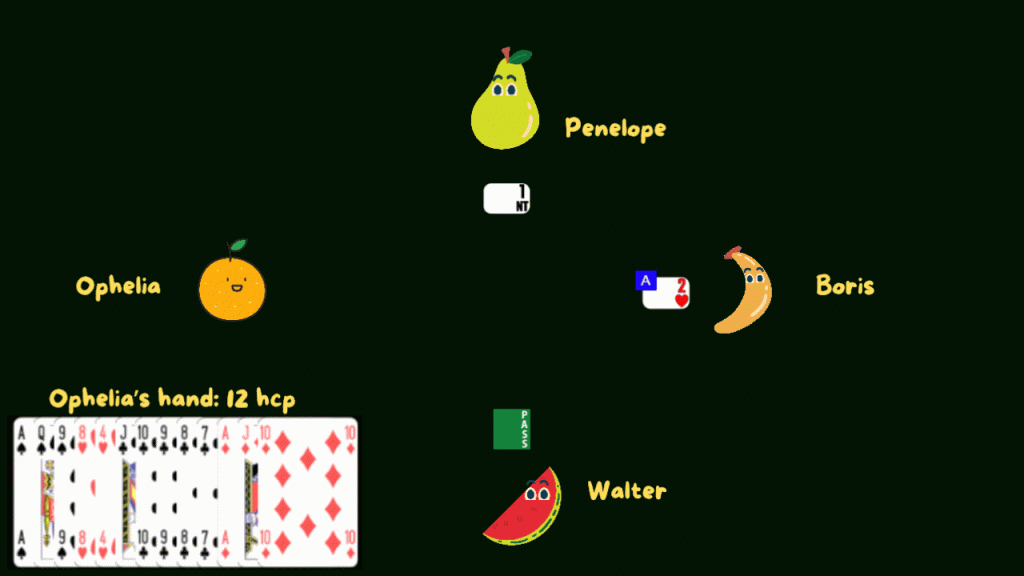
Carrying on the same auction, Boris has bid 2, showing hearts and a minor (exactly five hearts and 4+ minor). What should Ophelia bid?

Ophelia does not want to play in hearts, as she has only two, so she knows they don’t have a fit. But with four clubs and five diamonds, she knows they have a fit in whichever minor Boris has. She should bid 3♣, ‘pass or correct’ as that guarantees they can play in three of whichever minor he has. He will pass if it’s clubs and correct to 3 if it’s diamonds, and she will pass that.

Same start again, but this time Ophelia has a better hand. What should she bid here?

Ophelia is potentially interested in game here, either 3NT or five of a minor, so she would like to know more about Boris’s minor suit. Bidding 2NT asks him to show which minor he has, and at the same time, how strong his hand is.

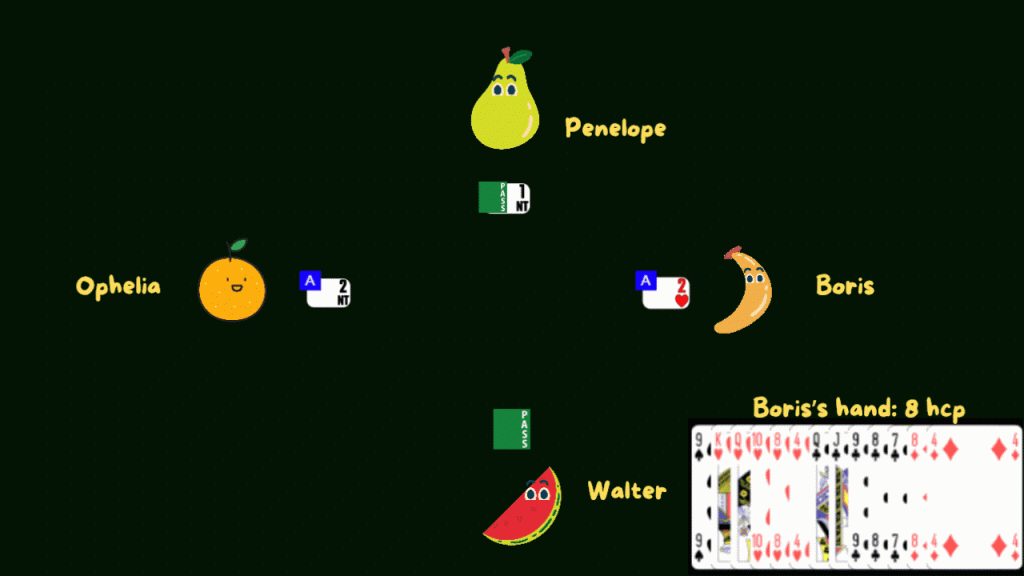
Continuing the same auction, Ophelia has made her 2NT enquiry bid and it’s back to Boris. What should he bid?

Boris has made a fairly cheeky bid here. He does not have a good hand. So he should show his minor by bidding the suit he has. That way, his partner will know that he has a minimum hand.

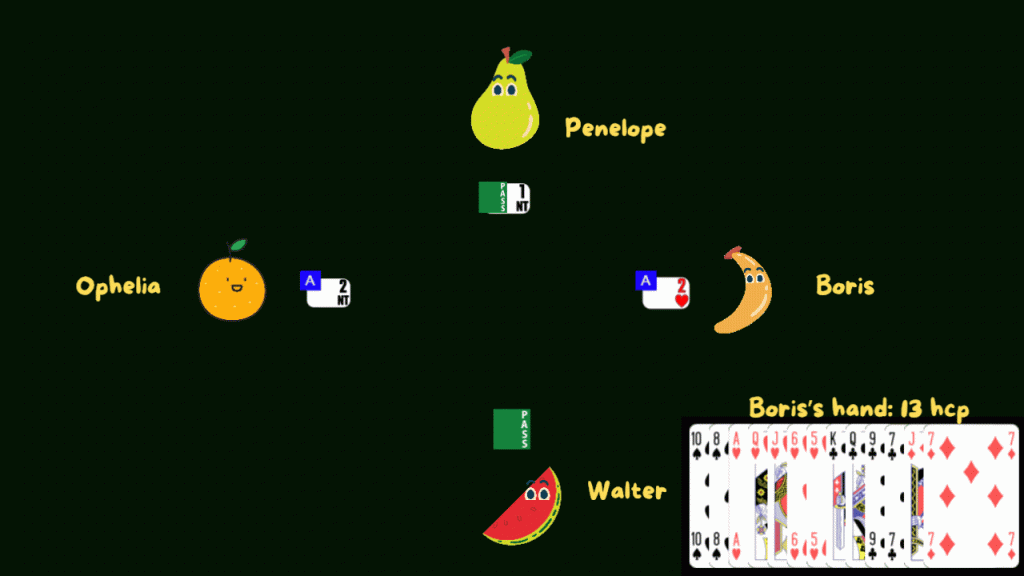
Here we have the same situation again, with Ophelia enquiring about Boris’s minor. What should he bid this time?

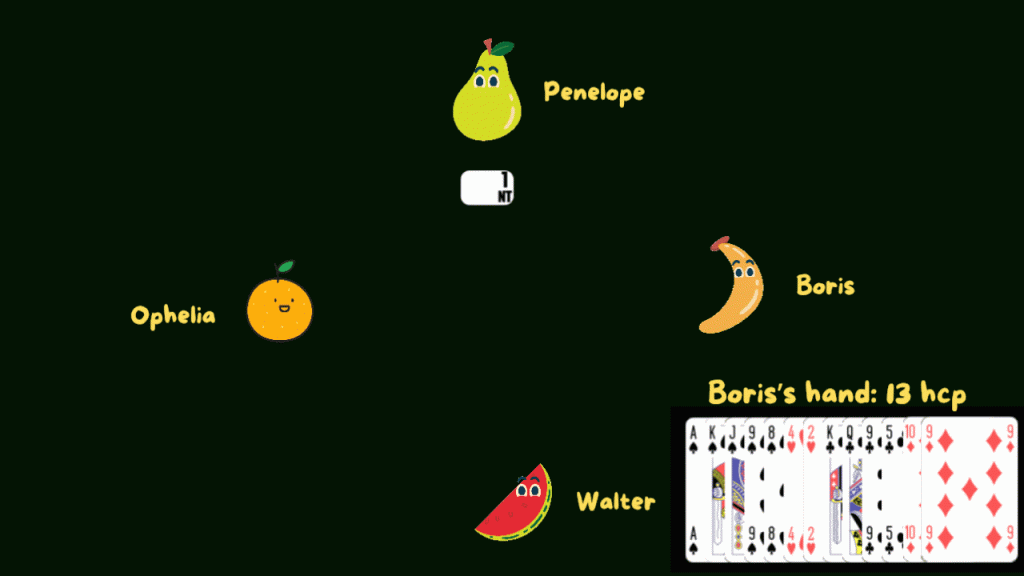
With 13 points - a hand that would have opened the bidding - Boris should show a good hand with clubs. Remember that to show a good hand, you bid one of the two suits that can’t be the answer to the question ‘which minor do you have?’. Because he has clubs - the lower-ranking suit - he bids the lower-ranking of the other two suits. If he had a good hand with diamonds as his minor, he would have bid 3♠.

These links will take you to the Bridge Training website, where you can have a go at bidding and responding to Multi-Landy. You will then be able to play the hands and see if you can make your contract. Have as many goes as you like if you don’t succeed the first time.