Back to Bidding modules
Choosing an opening bid

Balanced or Unbalanced?

Watch this introductory video to discover the important difference between these two types of hand. Once you have done that, move on to watch the ‘Opening balanced hands’ video.
Back

Balanced or unbalanced?

Understanding the difference underpins everything you will learn about bidding.

Back to Bidding modules
Choosing an opening bid

Choosing an Opening Bid: Unbalanced Hands

As you have seen, there are only three balanced hand shapes, which leaves a huge variety of unbalanced shapes. Sometimes we open the bidding at higher levels with hands that are very unbalanced but weak, and we will learn about that in the next step. Here, we are just going to look at opening unbalanced hands with 12 or more points. Once you have watched the video, try the quiz to see if you can pick the best bid every time. You can also practice both choosing the best bid and some card play techniques with our practice hands.
Back

Opening Unbalanced Hands

A huge variety of hand shapes, but just a few key principles to learn.

Question 1/6

Choose an opening bid

This hand has enough points to open at the one level (13 hcp) and is single-suited (one long suit of six or more cards). With your nice, six card spade suit it's clear to bid 1♠ and tell partner which suit you like best.

Choose an opening bid

Again, a strong enough hand to open at the one level, and unbalanced. This time it's a two-suited hand (one suit of at least five cards and another of at least four cards). As spades are your longer suit, you start with those.

Choose an opening bid - carefully!

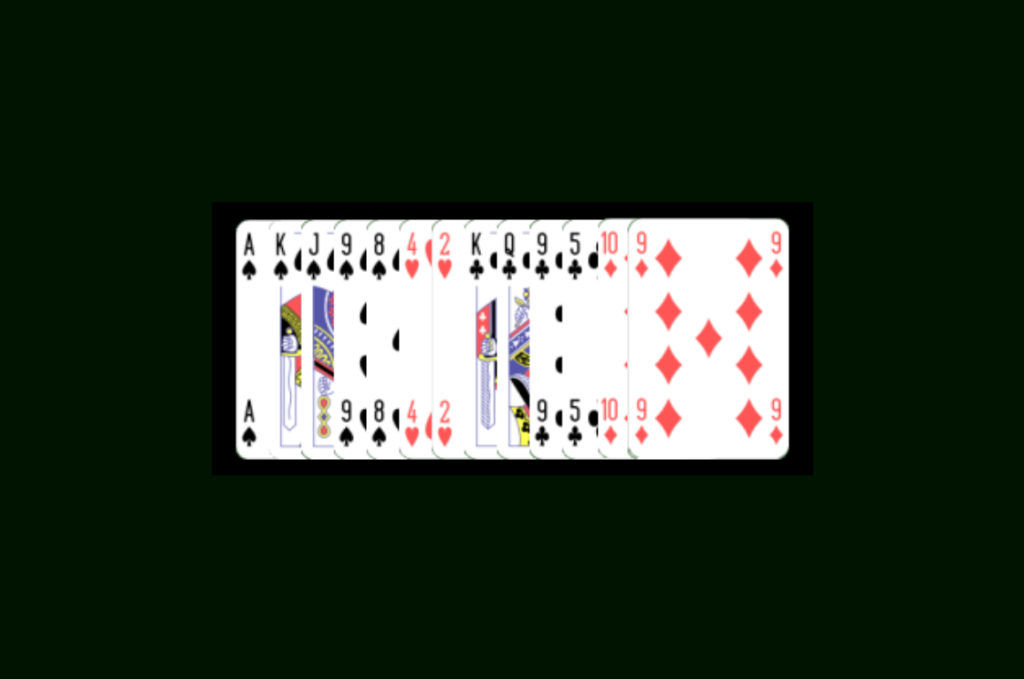
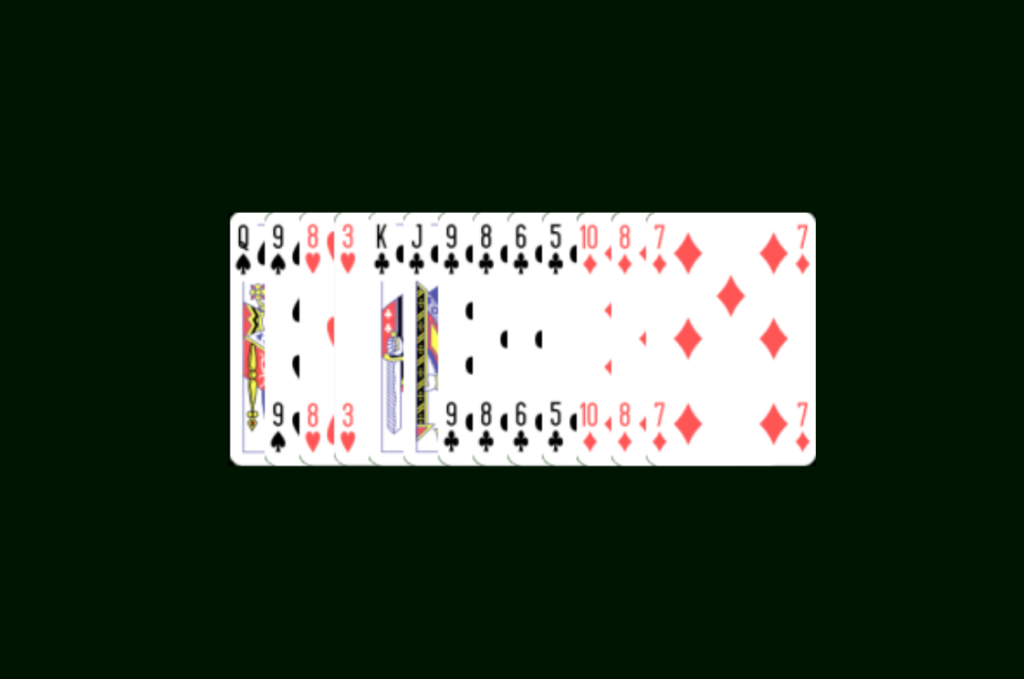
A bit mean to throw this one in here as a bit of a trap. You have enough points to open at the one level but this is a balanced shape - 5,3,3,2 and the point count falls within our NT range of 15-17. So despite the lovely heart suit, you should open 1NT. Don't worry - if you end up playing in NT those hearts will take at least four tricks - maybe 5.

What would you open with this shapely hand?

A very nice 14 hcp and a two-suited hand. With two suits of equal length, you open the higher-ranking, so here your first bid will be 1♠.

This one is tricky. What is your best opening bid?

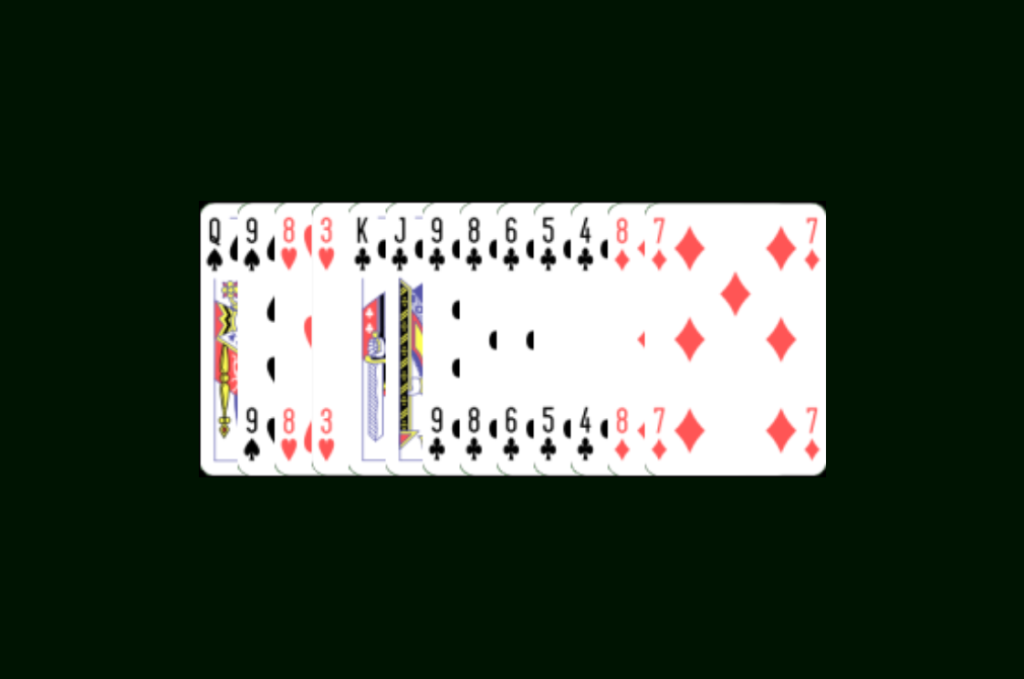
You have 14 hcp, so you want to open at the one level. It's the dreaded 4,4,4,1 shape. You can't open 1♠, even though you have nice cards in the suit, because we need at least five cards in the suit to open a major. Your only viable option is 1, showing at least four of those, which you do have.

Finally, what would you open with this hand?

Again, you have enough strength to open at the one level - 13 hcp, but no five card major and not even four diamonds. It's back to our old versatile friend, 1♣.

The links will take you to the Bridge Training website, where you can have a go at choosing the best opening bid. Because there are aspects of bidding that you have not yet covered, we have given you some notes on each hand that will tell you what to do if you have to make more than one bid. You will then be able to play the hands and see if you can make your contract. Have as many goes as you like if you don’t succeed the first time.

Back to Bidding modules
Choosing an opening bid

Choosing an Opening Bid: Pre-emptive Openings

When you have very unbalanced hands, you don’t need to have so many points to open the bidding. We can show hands with extra-long suits that are too weak to open at the one level by opening at a higher level. It may seem a bit strange to start with a higher target when you have a weaker hand, but watch the video and the reasons we do this will become clear. After that, why not have a go at the quiz and the practice hands?
Back

Pre-emptive openings

See how to show your partner that you have one of these fun hands and get in the way of your opponents at the same time.

Question 1/6

What do you think is the best opening bid here?

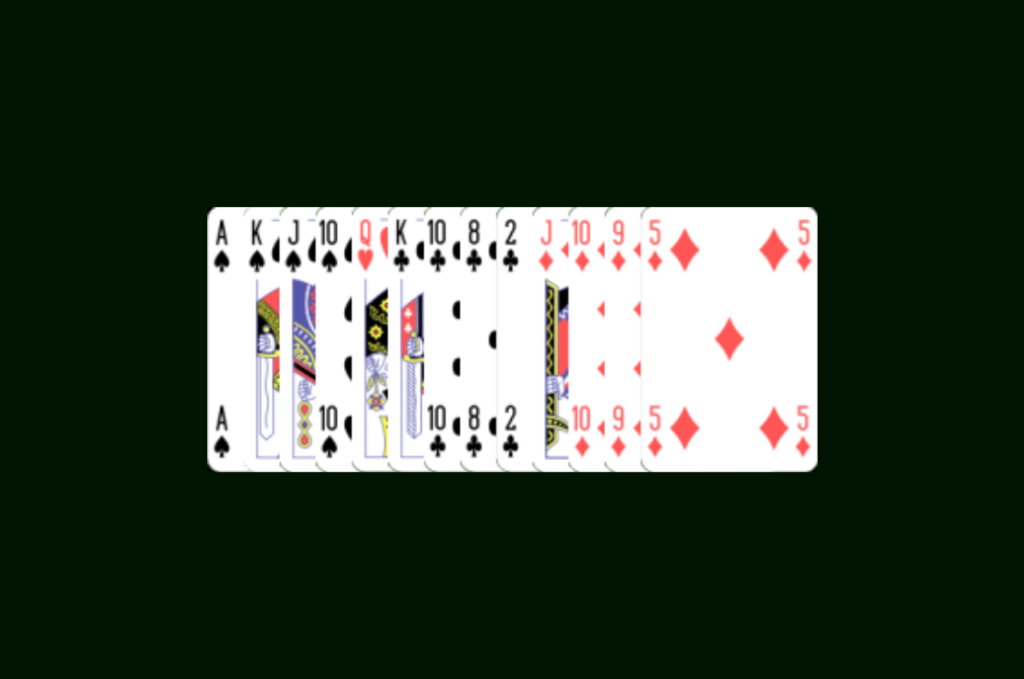
Opening at the two level shows six cards in your suit and 6 to 10 points. This hand is at the top end of the point range but that's ok. Spades are a great suit for pre-emptive bids because the opponents must go up a level to show any suit they want to bid. The rest of your hand is not great, with the other points in fairly short suits, so it doesn’t merit an upgrade to a one level opening.

How many spades should you open here?

With this nice 7 card suit, you definitely want to make a pre-emptive opening. Your hand is not strong enough to open at the one level, even giving yourself a couple of extra points for distribution. 2♠ would show a six card suit so that's no good either. 3♠ shows a seven card suit and a maximum of nine points, so that works well here.

Easy to see which suit to bid, but how many?

A nice 8 card suit with two honours. Definitely worth getting as much in the way as possible, especially as you have only two cards each in the major suits, so it's quite likely that your opponents will want to bid one or both of those.

Again, an obvious suit choice. At what level would you open?

With a seven card suit, 10 points is too many to open at the three level (maximum 9), especially such a good 10 points as you have here. Your points are concentrated in your two best suits and you have a singleton. With a couple of extra points for distribution this hand is worth showing as 12+ by opening 1♠. 4♠ would be ok but if your partner has a good hand you might miss a slam because they will not make another bid, thinking that your hand is quite weak and distributional.

Only a six card suit this time. What is your opening bid?

You have a 6 card suit and 6 to 10 points so with any other suit, opening at the two level would be the right thing to do. Remember though, we can't do that with clubs because we need the 2♣ opening to show another kind of hand altogether (very strong hands) so here you have to pass.

Last one of these. What is your best opening bid here?

You can't pre-empt at the two level in clubs but you can at the three level. Here you have a perfect hand for opening at the three level: 6 points and a seven card suit. Opening at the four level would show an eight card suit.

The links will take you to the Bridge Training website, where you can have a go at choosing the best opening bid. Because there are aspects of bidding that you have not yet covered, we have given you some notes on each hand that will tell you what to do after your partner’s response. You will then be able to play the hands and see if you can make your contract. Have as many goes as you like if you don’t succeed the first time.

Back to Bidding modules
Choosing an opening bid

Choosing an Opening Bid: Strong opening bids

When you have a really strong hand, it’s helpful to be able to let your partner know that right away, so they don’t just pass and leave you in a low-level contract. In this step, we will discover two bids that do just that; one for balanced hands and one for hands that definitely want to play in game, no matter how weak your partner’s hand is.
Back

Strong opening bids

Just two opening bids to learn about here, but they are ones that you will enjoy using.

Question 1/6

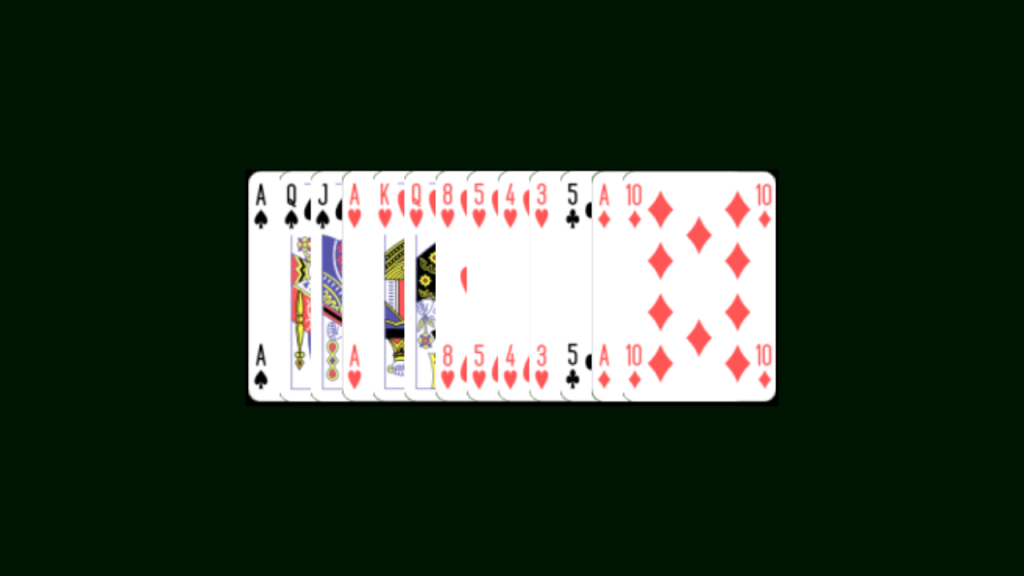
What should you open here?

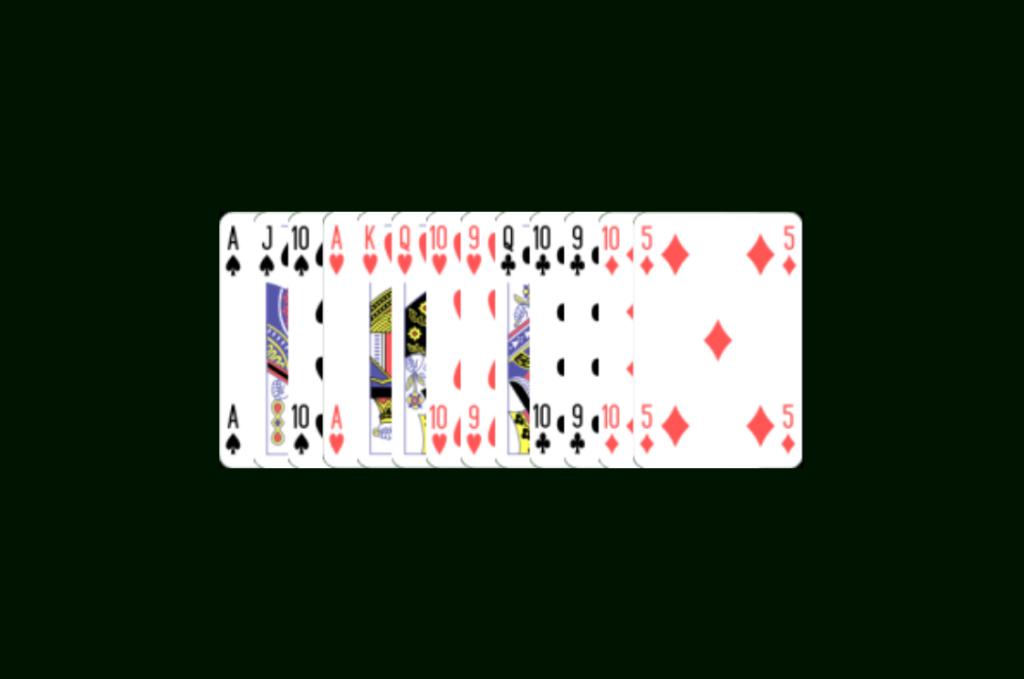
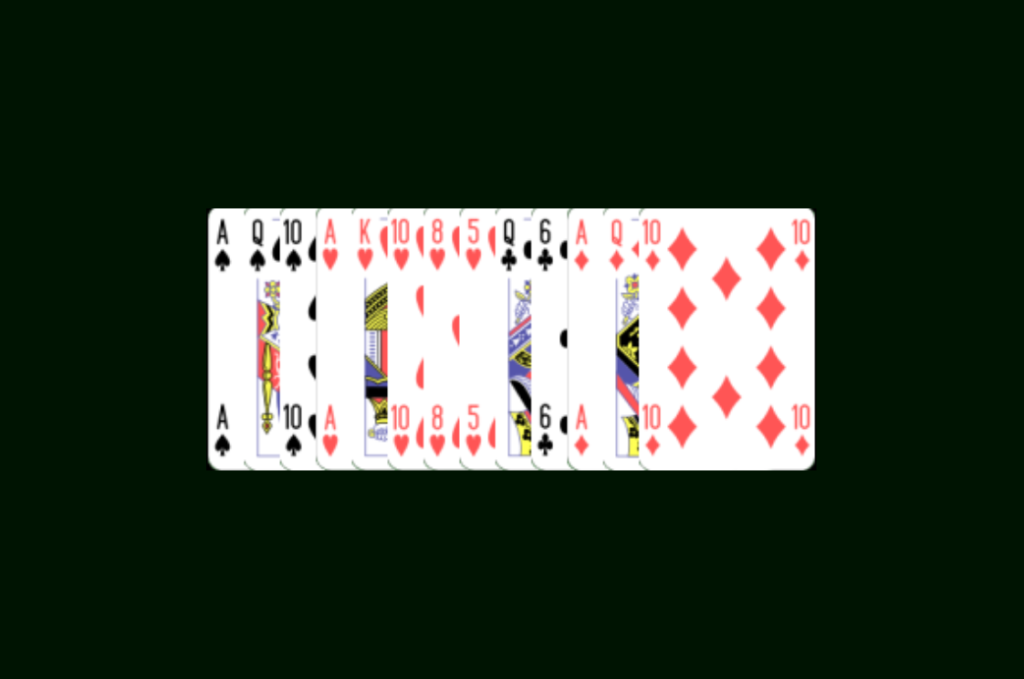
This hand has 21 points and is a balanced shape (5,3,3,2) so it is perfect for opening 2NT. It's important not to be tempted to bid hearts, even though you have a nice suit, because you won't then be able to convey the strength of your hand. It's not strong enough to open 2♣ (23+ for balanced hands), either in terms of high card points or distribution.

How about this lovely hand? What is your best opening bid?

Another balanced hand (5,3,3,2 shape) but this one has 24 points. Just like the 1NT opening, 2NT shows a very specific point range. For 2NT that range is 20-22 so this hand is too strong. It does, however, meet the criteria for opening 2♣, as we do that with any hand that has 23+ hcp, or any hand that definitely wants to be in game because of its distributional strength.

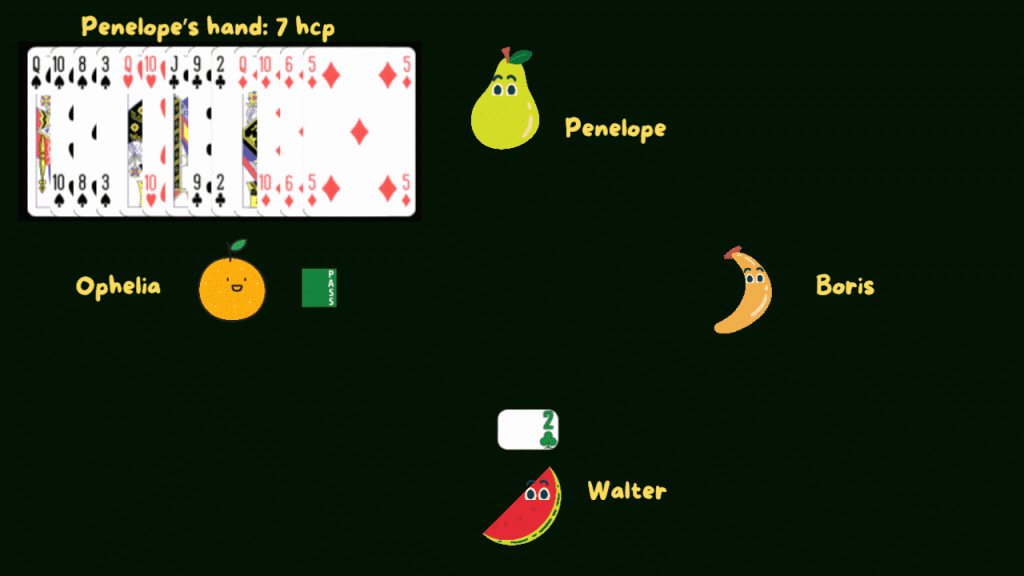
Walter has opened 2♣, showing a very strong hand that wants to play a game contract. What should Penelope bid?

When your partner opens 2♣ they are using an artificial bid to establish that the partnership must not stop bidding below the level of game. As the partner of the opener, you want to leave them the maximum amount of bidding space to show their hand after this, so you just make the next highest bid, 2, as a relay. Both bids are artificial.

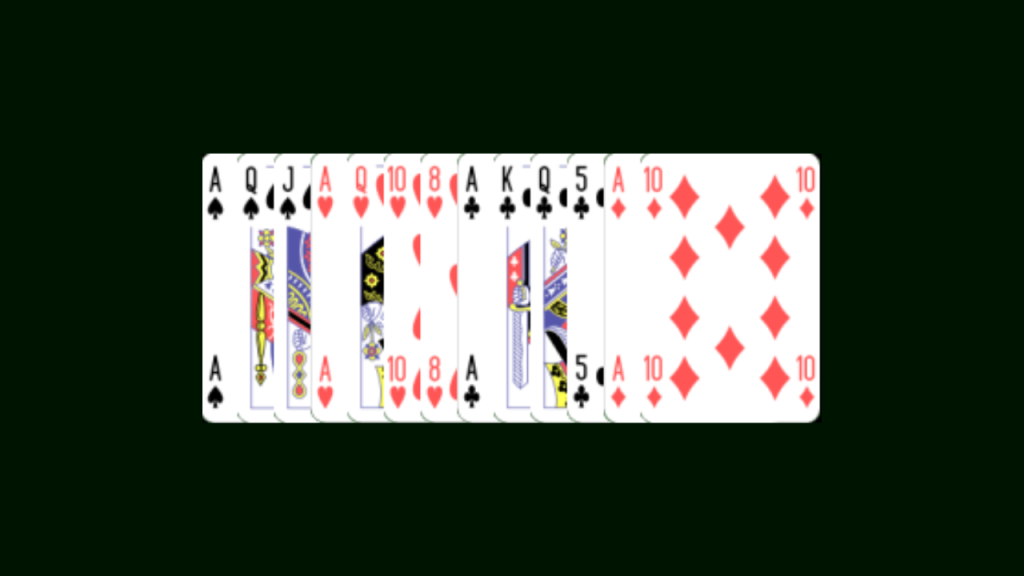
You have wisely chosen to open 2♣ to tell your partner that you have a very strong hand. What are you planning to bid after their 2 relay bid?

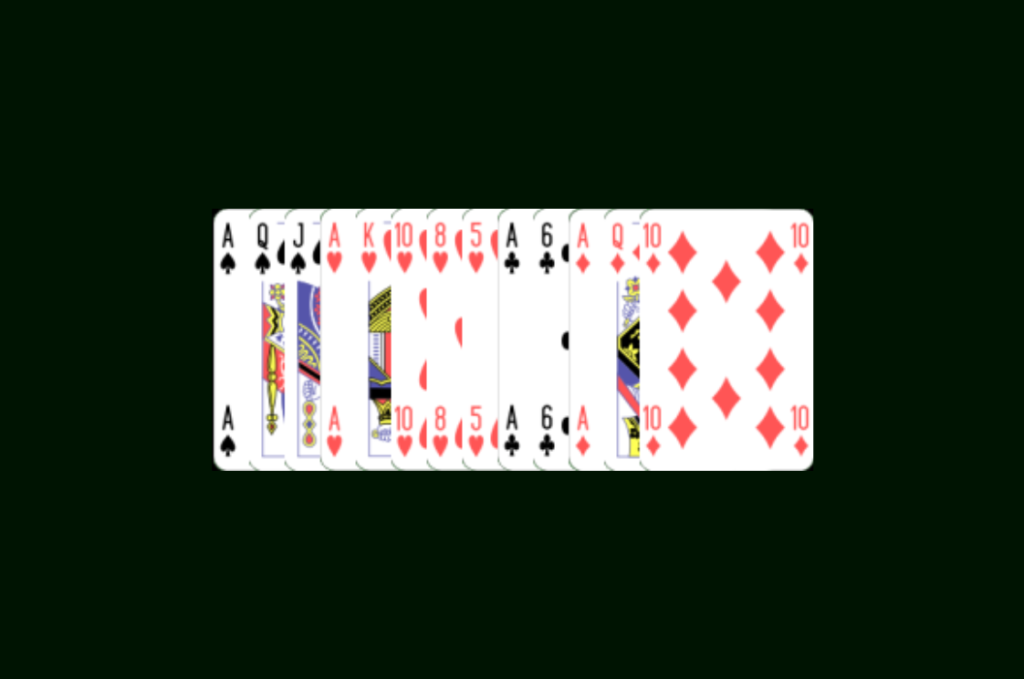
What a nice hand! You have 26 hcp and a balanced shape (4,4,3,2) with good cards in every suit. You definitely want to show the hand as balanced so you bid 2NT after the relay. Now partner will know that you have this kind of hand, that was too strong to open 2NT.

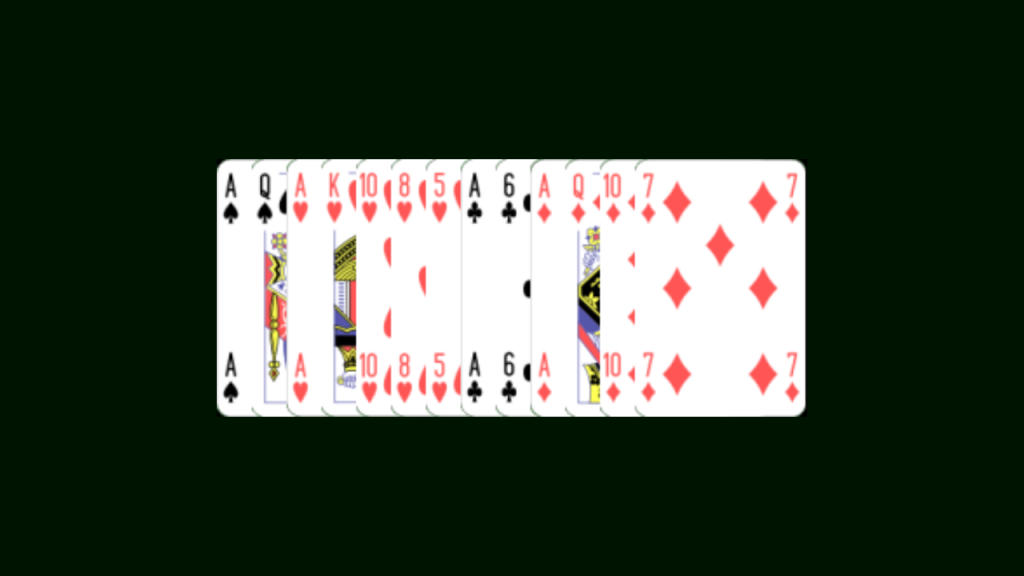
Once again, you make the excellent choice to open 2♣, and partner duly bids their 2 relay. What now?

This hand is unbalanced (5,4,2,2 shape), with a nice five card heart suit that you would definitely want to tell partner about. When you start with 2♣ to show a 23+ hcp hand, you should then show a five card major with your next bid, even in a 5,3,3,2 hand. This is to allow you to find the major suit fit as quickly as possible when partner has three cards in the major. If your 23+ hand has a five card minor in a 5,3,3,2 shape, you should show it as balanced by bidding 2NT after the 2x bid. So it's a little different from the NT opening bids in this respect, where all 5,3,3,2 hands within the appropriate point range open NT.

What should you open with this nice hand?

This is an example of a hand that doesn't have 23+ hcp but should still open 2♣ on the basis of playing strength. You would definitely want to play at least in game with this hand, and in 4H you are very likely to take 10 tricks even if partner has nothing helpful at all in their hand. Once you have opened 2♣ and partner has responded 2 you can show your heart suit by bidding 2. Now, if partner raises hearts, you might well be making slam, but because you have started with the game forcing sequence you will be sure to play in at least 4.

The links will take you to the Bridge Training website, where you can have a go at choosing the best opening bid. Because there are aspects of bidding that you have not yet covered, we have given you some notes on each hand that will tell you what to do if you have to make more than one bid. You will then be able to play the hands and see if you can make your contract. Have as many goes as you like if you don’t succeed the first time.

Back to Bidding modules
Choosing an opening bid

Choosing an Opening Bid: Balanced Hands

The first step in the auction for a great many hands. Watch the video to see how to make this important choice. When you have watched the video, have a go at our practice hands to try out your bidding choices and then enjoy playing the hand.
Back

Opening balanced hands

Now that you know how to tell which hands are balanced, see how to pick your first bid when you have one of these.

Question 1/8

Is this hand balanced or unbalanced?

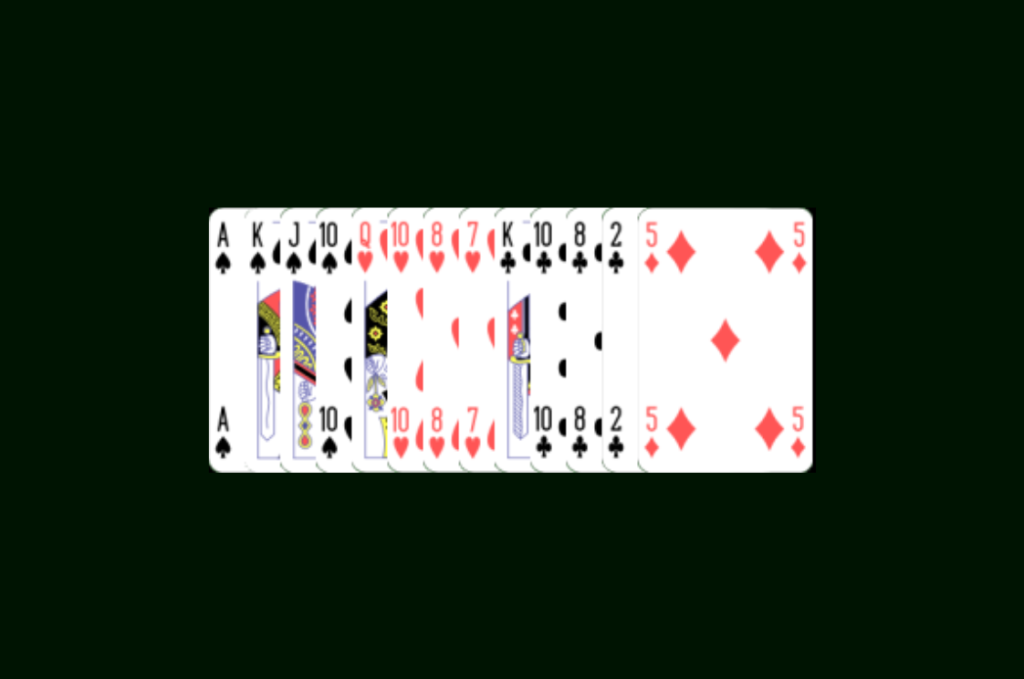
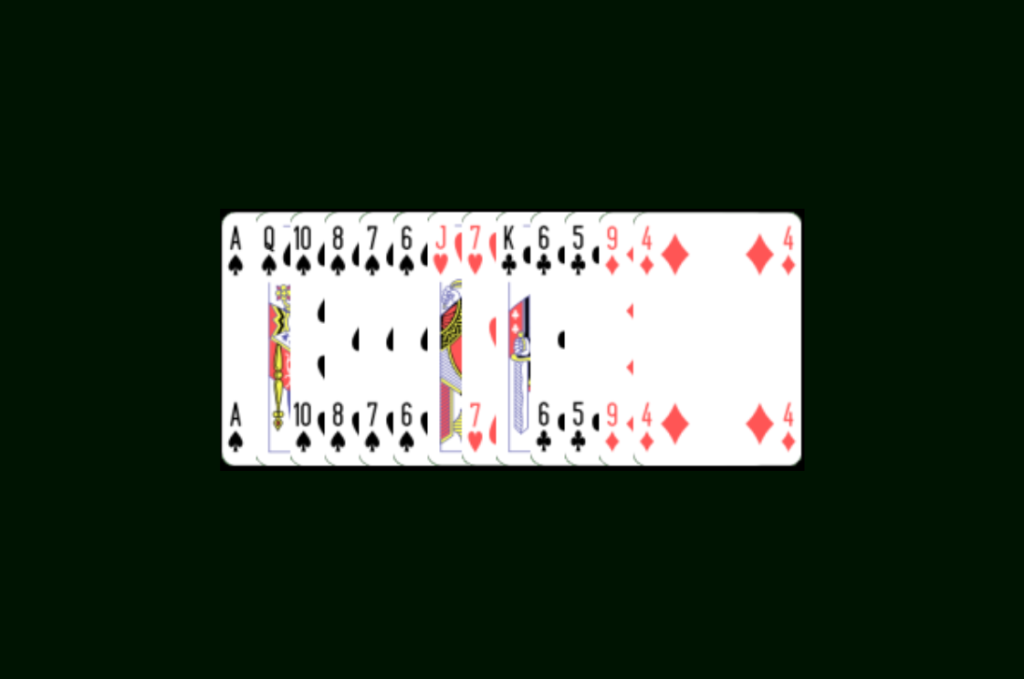
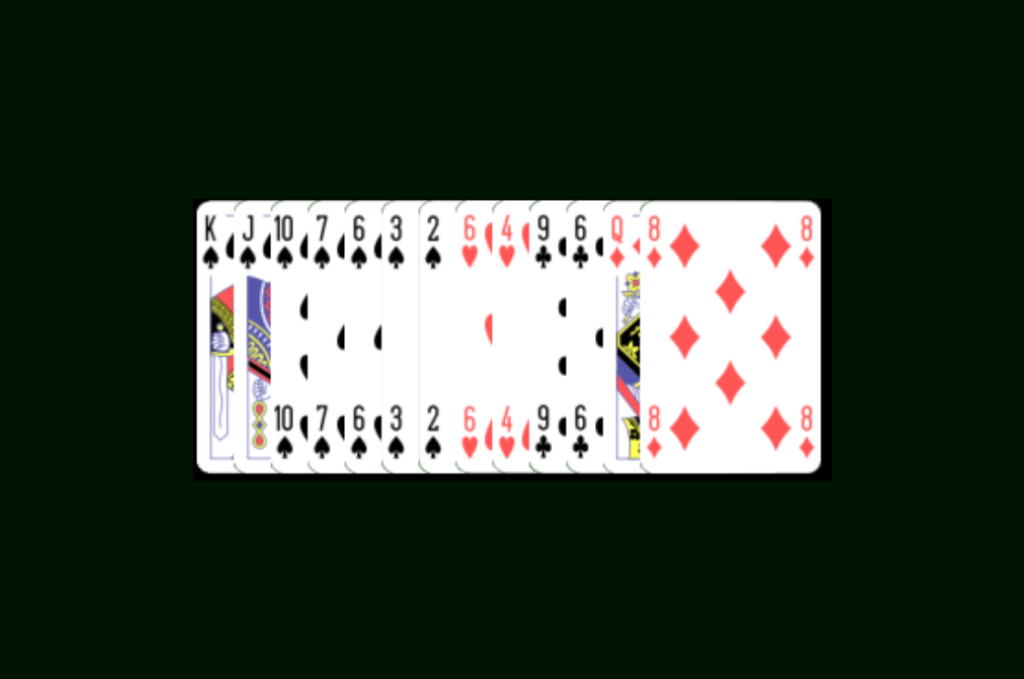
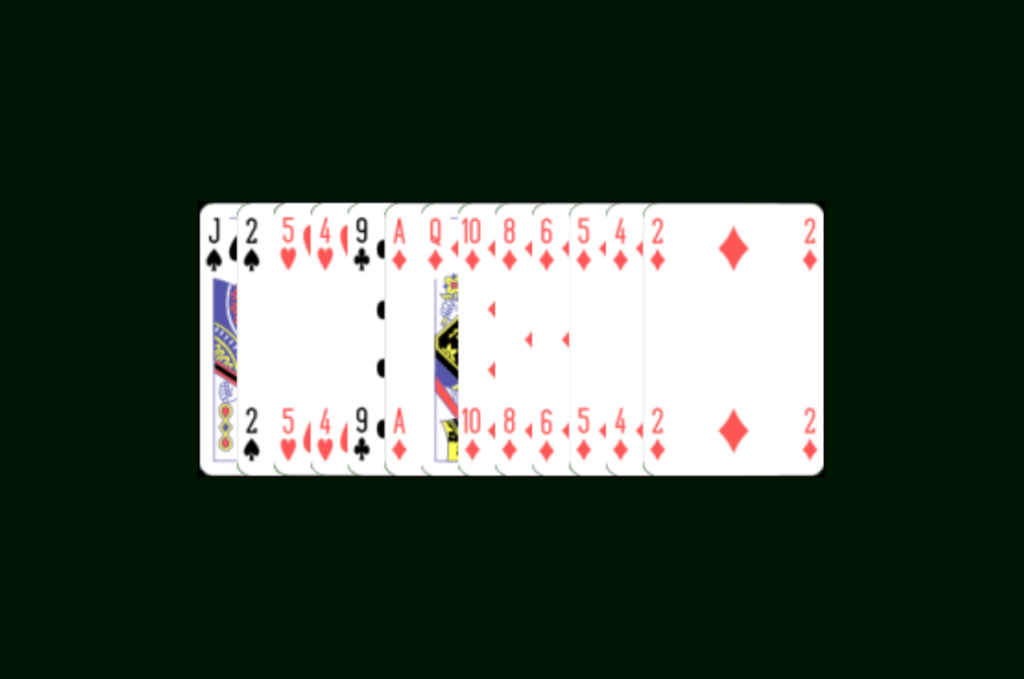
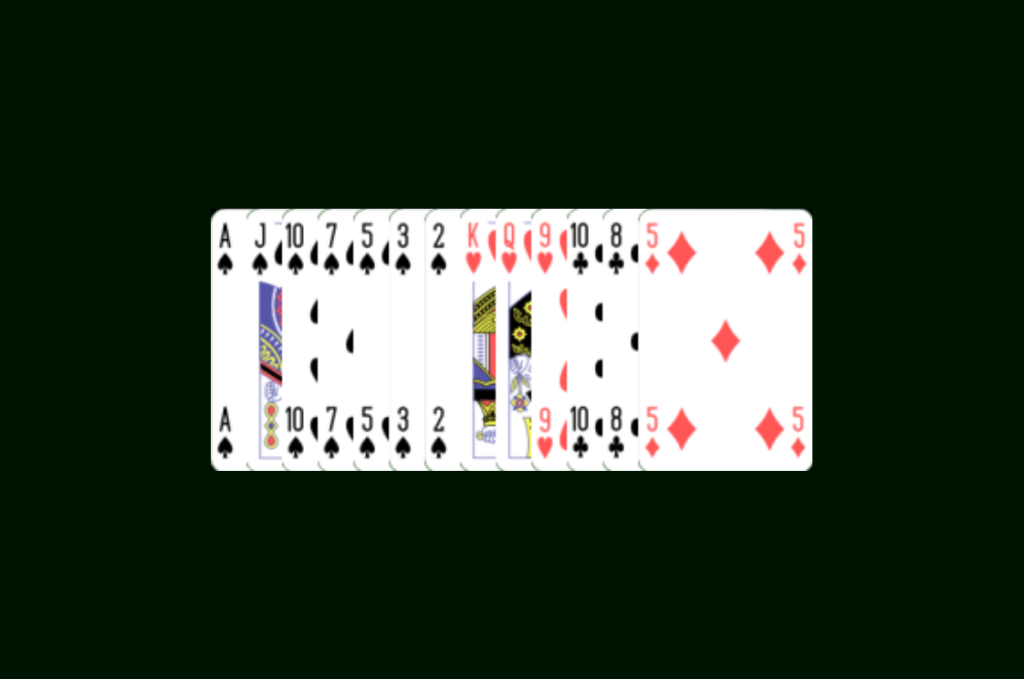
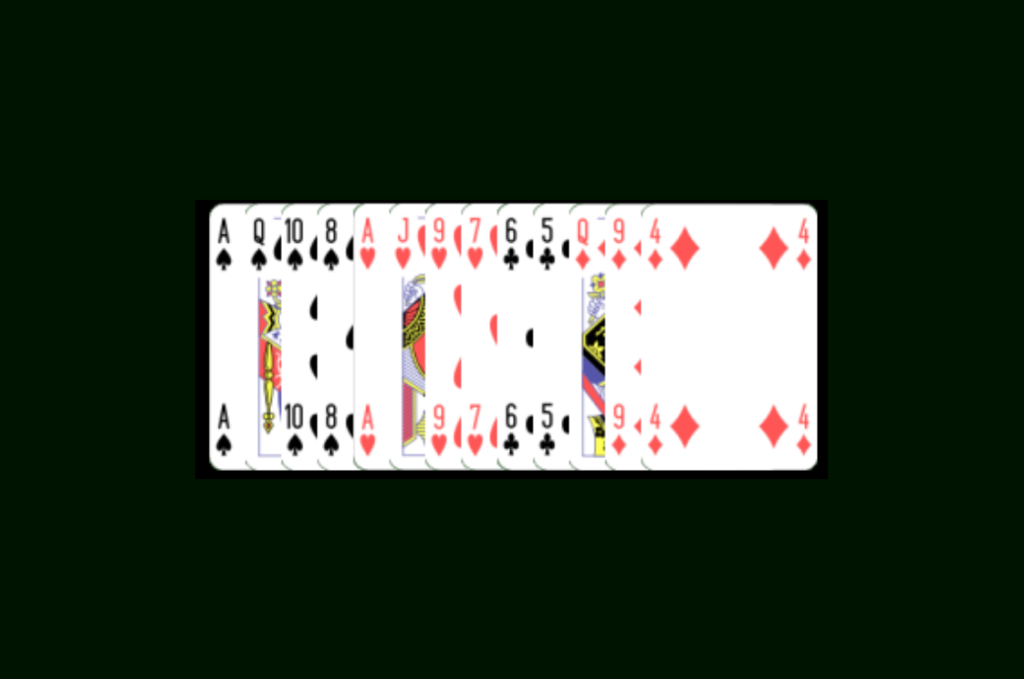
The distribution of cards between the suits is as even as it can be: 4,3,3,3 so this is a balanced hand.

How about this one? Balanced or unbalanced?

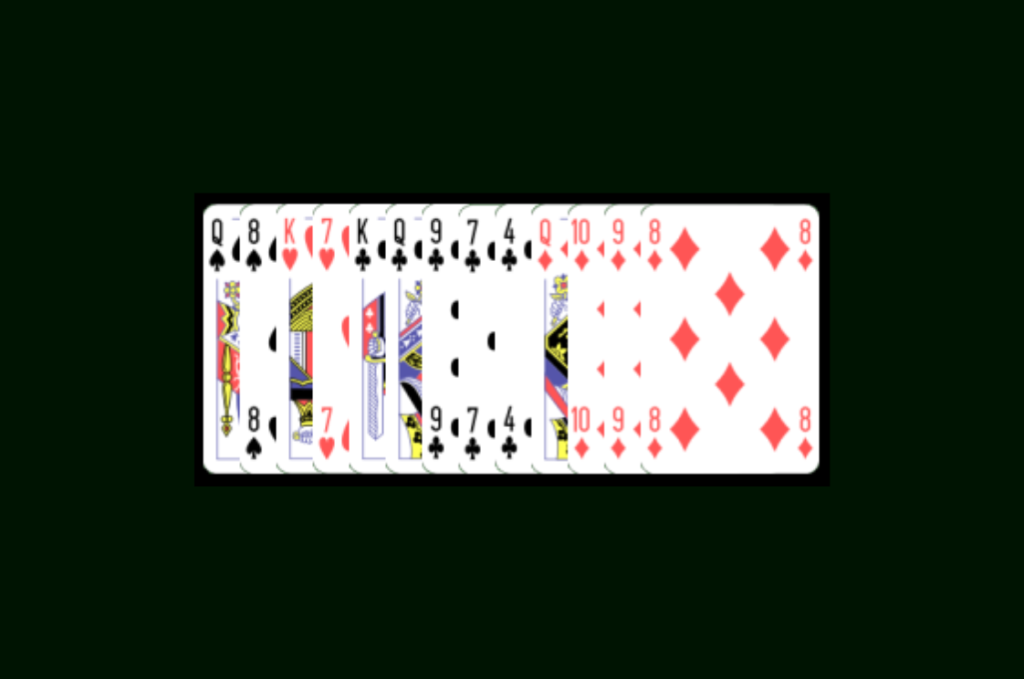
Here, the distribution of cards between the suits is 4,4,3,2. You may remember from the video that this is one of only three balanced shapes.

Is this hand balanced or unbalanced?

With both a five card suit and a four card suit, a 5,4,2,2 shape, this hand is not one of the three balanced shapes. It is unbalanced.

Last one of these - balanced or unbalanced?

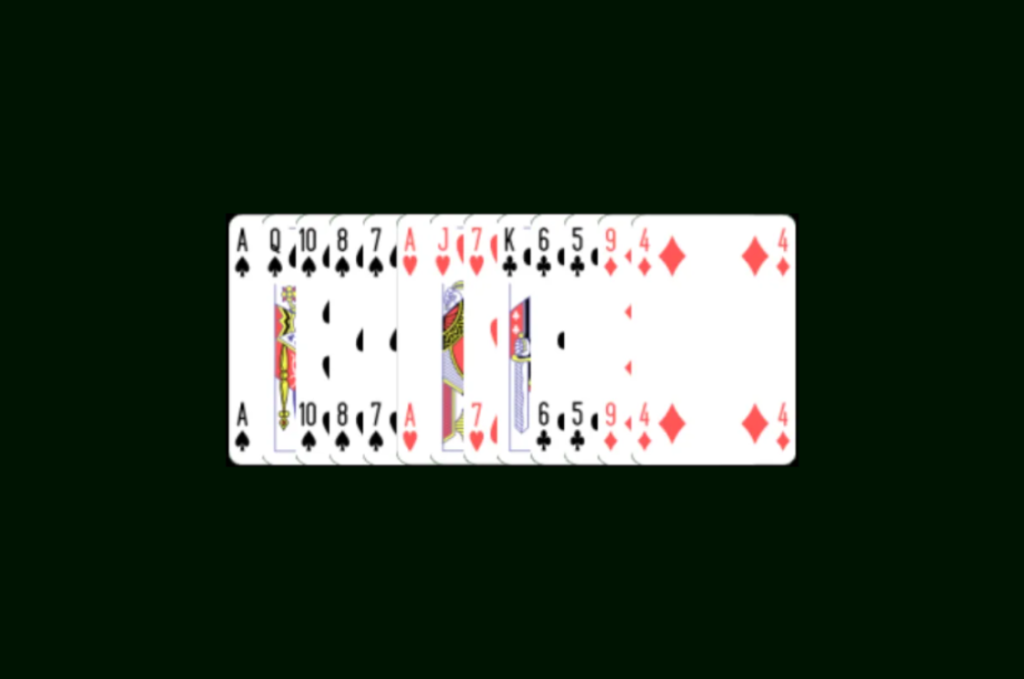
Although this hand contains a five card suit, it is still one of the three balanced shapes: 5,3,3,2. This is the only balanced shape that has a five card suit.

Look at that same hand again and choose an opening bid.

This is a balanced hand with 14 points, so not in the right range (15-17) to open 1NT, so you must start with a suit bid. You always want to open your longest suit, as long as it meets the criteria for opening bids in that suit. Our longest suit here is spades, and to open a spade we need at least five. We have five in this hand, so that’s nice and easy.

What would you choose to open with this hand?

A balanced hand with 12 points. Again, not the right point count for 1NT so you start with a suit bid. You don’t have one suit longer than all the others here. Your two longest suits, hearts and diamonds, have four cards each. You need at least five cards in hearts to open that suit, so that won’t work. Your other joint longest suit is diamonds, which you only need four cards to open, so there’s your opening bid.

What do you think is the right opening bid for this hand?

Another balanced hand - a 5,3,3,2 shape. This one has 16 points, so it does fall within our 1NT opening point range of 15-17. All balanced hands with a point count in this range should be opened 1NT, even if they have a nice five card suit (in a 5,3,3,2 shape).

Finally, what would you open with this hand?

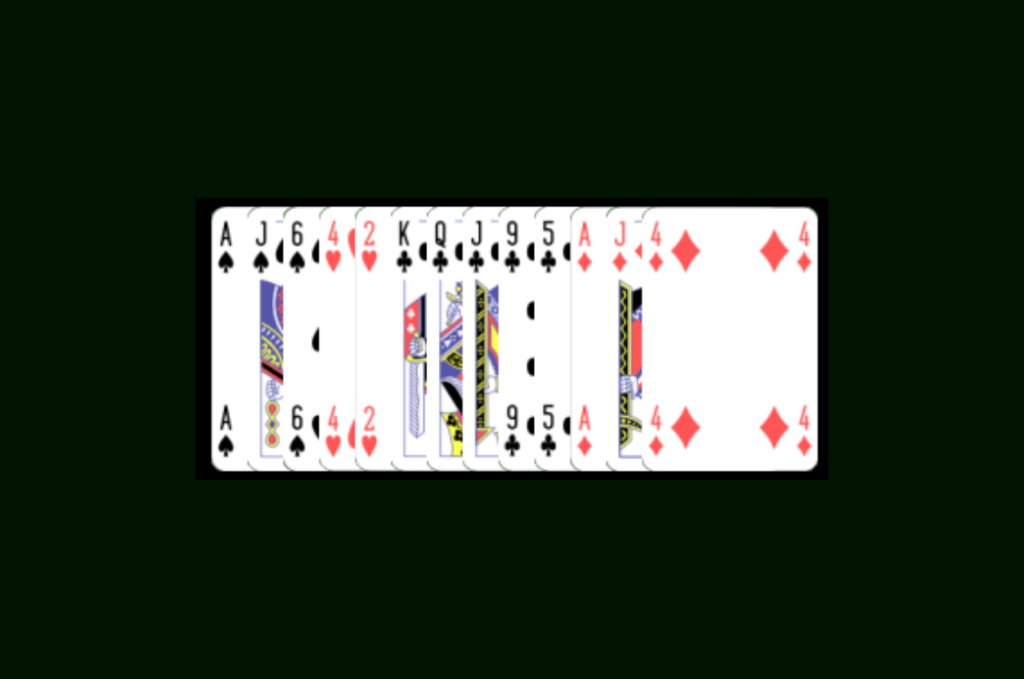
Another balanced hand, this time with 13 points, so not in the 1NT range. We must choose a suit to bid. Hearts and spades are our joint longest suits, but we cannot open either of those, because that would promise five cards in the suit. The next longest suit is diamonds, but we have only three, and a 1 opening bid promises at least four cards. That just leaves clubs. With any hand that is strong enough to open the bidding at the one level, but doesn’t fit the criteria for opening spades, hearts, diamonds or NT can always be opened 1♣ , because that only promises a minimum of two cards. This happens quite often with balanced hands.

The links below will take you to the Bridge Training website, where you can have a go at choosing the best opening bid. Because there are aspects of bidding that you have not yet covered, we have given you some notes on each hand that will tell you what to do if you have to make more than one bid. You will then be able to play the hands and see if you can make your contract. Have as many goes as you like if you don’t succeed the first time.


Deprecated: File Theme without sidebar.php is deprecated since version 3.0.0 with no alternative available. Please include a sidebar.php template in your theme. in /home/newtrick/public_html/wp-includes/functions.php on line 6260