Responding to Suit Openings after Opponents Overcall
You’ve seen how a couple of small changes to your usual responses after a takeout double can give your partner a better description of your hand. The same is true after your opponents have overcalled. There are more permutations with overcalls though, so this is a bit of a marathon step, with a longer video and rather more quiz questions than usual.
Responding to Suit Openings after Opponents Overcall
There is a lot of information in this video about the different ways you can respond in this situation, so you might want to watch it more than once before tackling the quiz.
Question 1/14
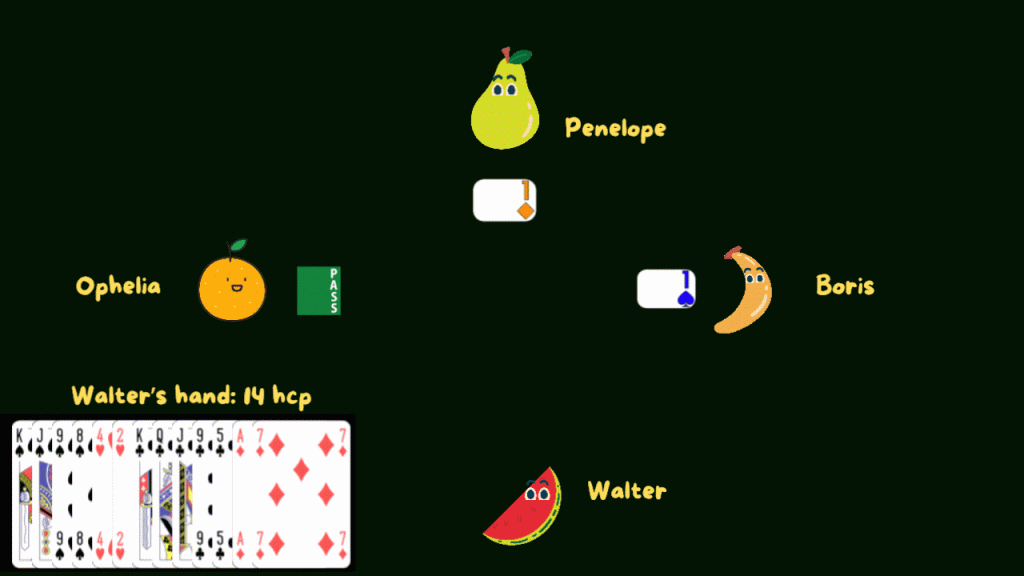
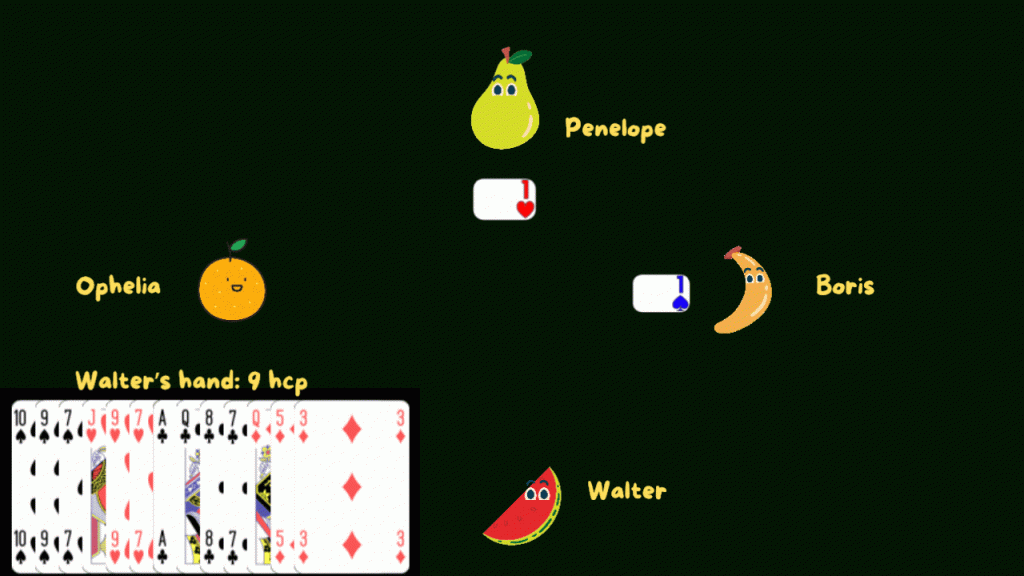
After a 1♥ opening from his partner and a 1♠ overcall, what should Walter bid with this hand?
Walter has fit with partner, so he wants to show that. His hand is weak, and quite balanced, so he should just raise partner's suit by one level, just as he would without the overcall. 2♣ would show at least 5 cards in clubs and 10+ points and 1NT would show the right kind of point count, but it would deny a heart fit.
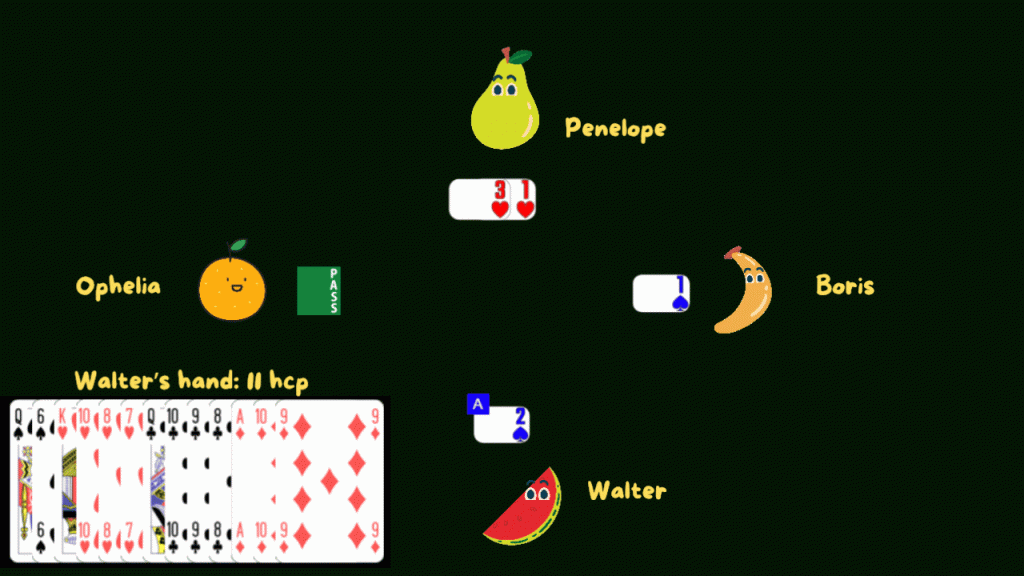
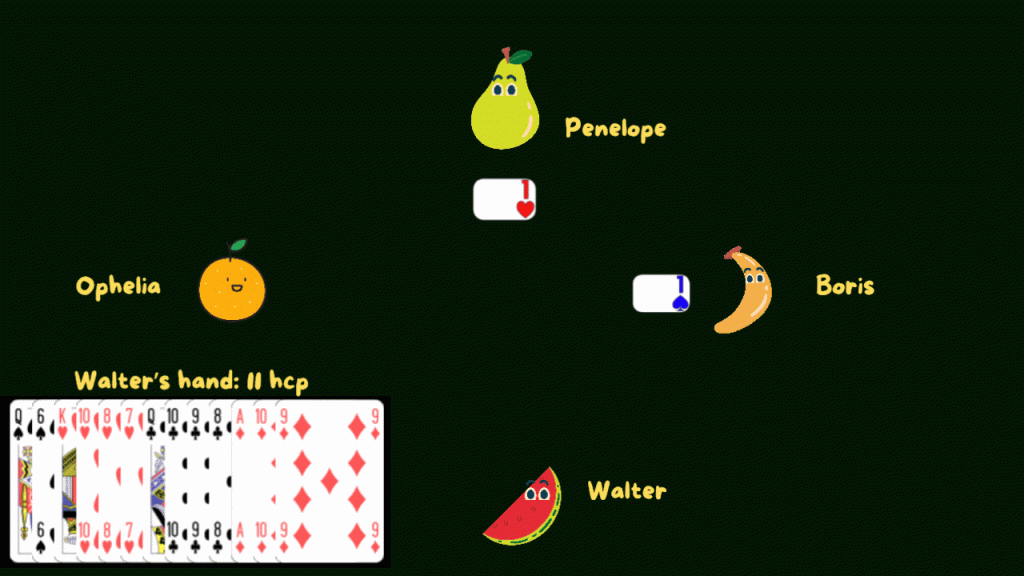
Same start to the auction. What should Walter bid with this slightly better hand?
Walter has a very nice invitational hand, with four card support for his partner's suit. He can show a 'good raise' (11+ points) by bidding the opponents' suit. He could do this even with three card support - the fourth one is a bonus! Raising to 3♥ or 4♥ directly would be more of a pre-emptive bid, showing a weaker, shapely hand, and hoping to get in the way of Ophelia's response to her partner.
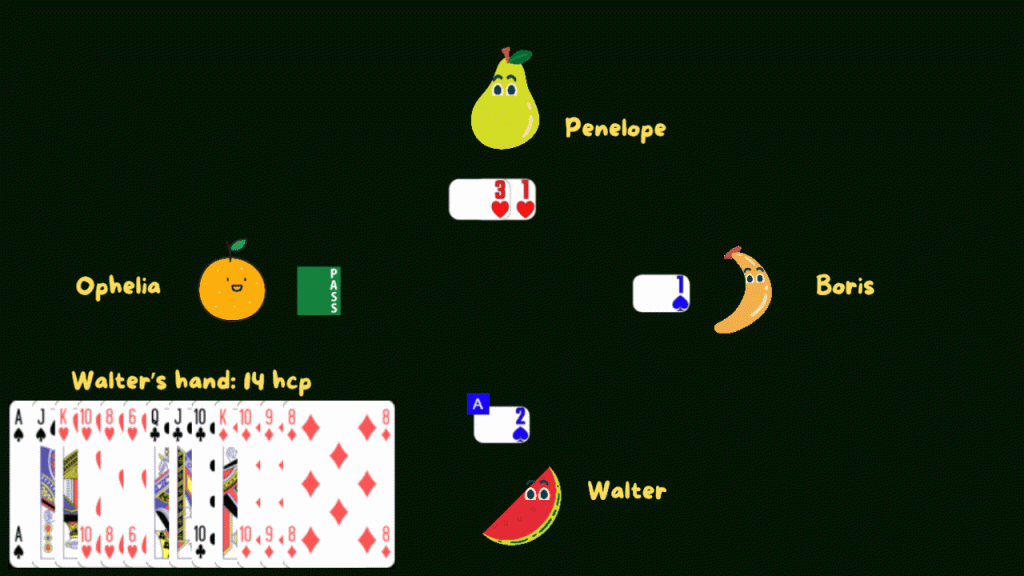
Thinking about that same situation, if Walter correctly bids an artificial 2♠, and Penelope bids 3♥, what should Walter do now?
Walter has given Penelope the information that he has heart fit and at least an invitational hand. If she had more than a minimum opening she would bid 4♥, accepting the invitation to game. With a minimum, and knowing that Walter could have only 11 points, she figures they don't have enough for game. Because Walter is also minimum for his bid, he should pass and let Penelope play in the part score.
In the same situation again, Walter has an even stronger hand. What should he do after Penelope’s ‘sign-off’?
This time, Walter knows that Penelope is basing her decision on him possibly having only an invitational hand, but in fact he has a game forcing hand. He can see what Penelope can't - that they have 25 points between them - so he should bid game.
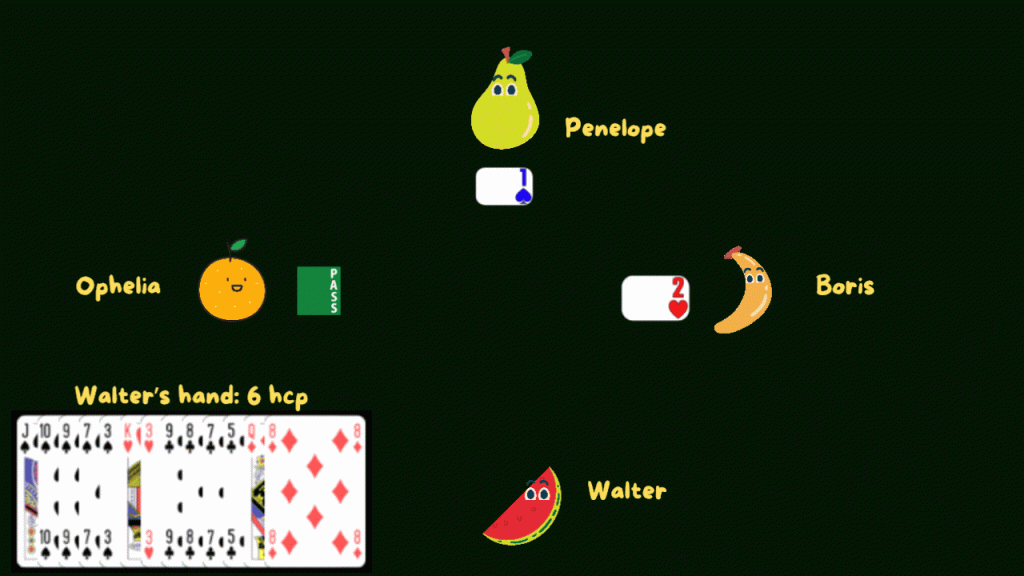
This time, Penelope has opened 1♠ and Boris has overcalled 2♥. What should Walter bid?
Walter has a weak hand, but good shape and great spade support. He should make a direct raise of Penelope's suit to the three level - a pre-emptive bid, which will make it more difficult for Ophelia to come into the auction. Remember - jump raises of partner's suit after overcalls, like after opponents' doubles, become pre-emptive.
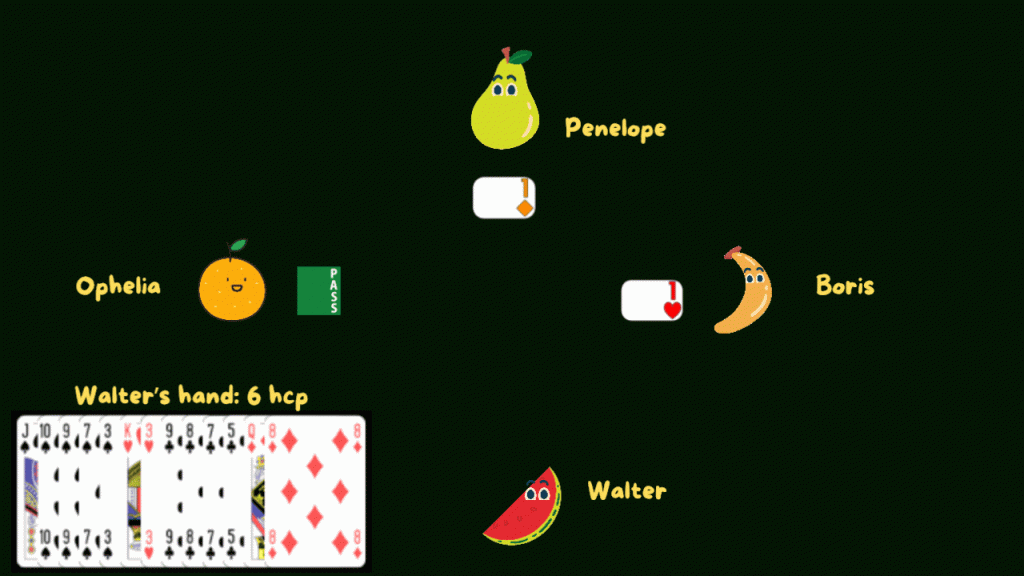
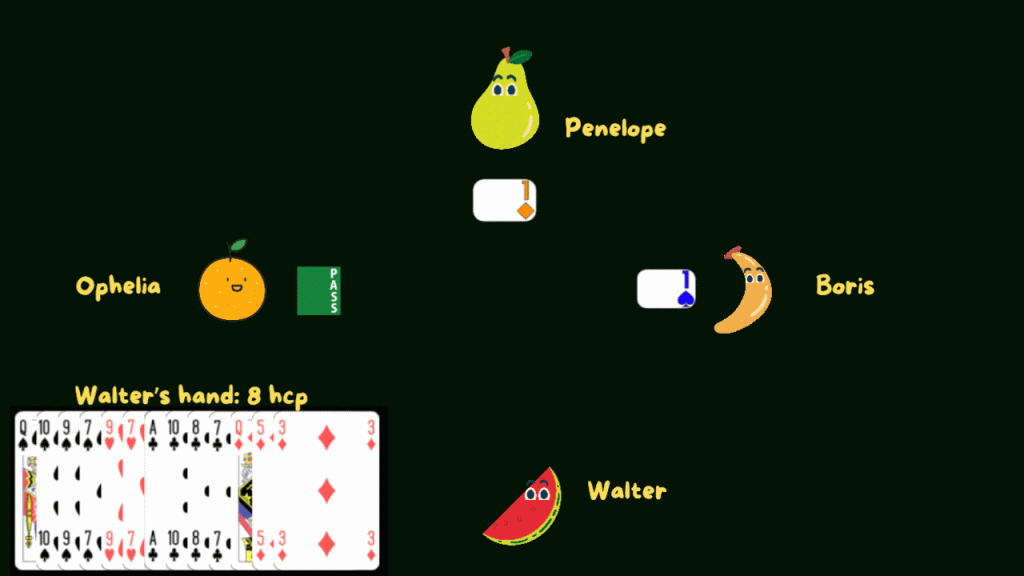
Walter has the same hand here, but this time, Penelope has opened 1♦ and the overcall is 1♥. What should Walter bid?
This is a minor-major sequence, so Walter could double to show the other major. When the overcall is a heart, we use double to show exactly four spades, whereas bidding 1♠ shows five. Remember, showing spades with a negative double distinguishes between four and five cards, whereas a negative double that shows hearts is less specific, because you might have either not enough strength or length to bid them at the two level.
Same start to the auction, but Walter has a different hand. What now? (Hint: Remember what kind of suits we like more than others!)
Walter has a stronger hand, and with the overcall, he does just have enough to show his club suit (which would mean going to the 2 level). However, our priority is always to try to find the major suit fit where it might exist, so he should show his spades. Because he has four, he does this by doubling. Bidding 1♠ would show 5 cards. 2♣ is a good answer, just not the best answer.
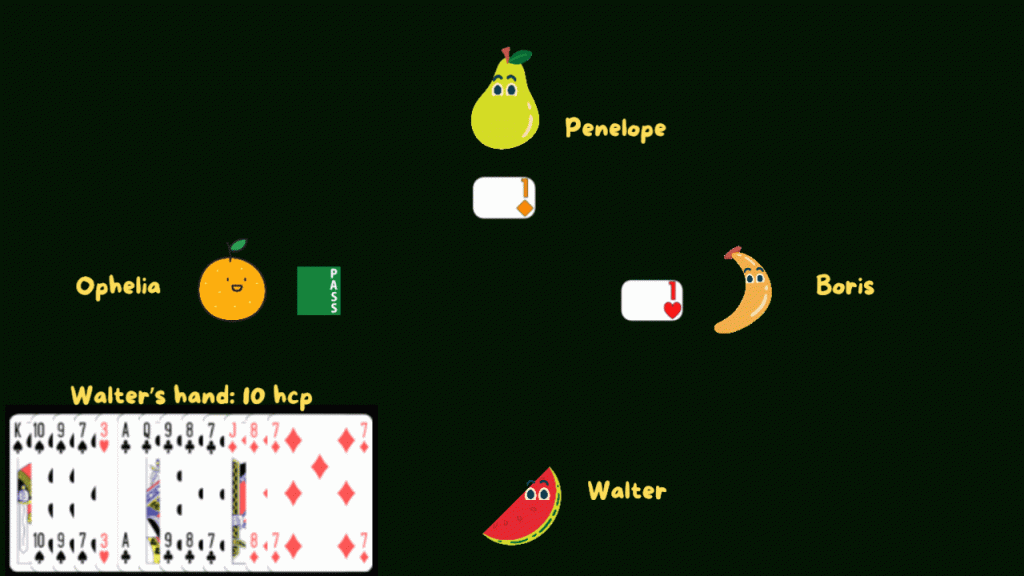
Penelope has opened 1♣ and Boris has overcalled 1♠. What is Walter’s bid here?
Walter has a nice five card heart suit but because he would have to go to the 2 level to bid hearts that would show an invitational hand (10+), which he doesn't quite have. It's a minor-major sequence, so double shows the other major. Penelope will know that he has either not enough strength or not enough hearts to bid them at the 2 level.
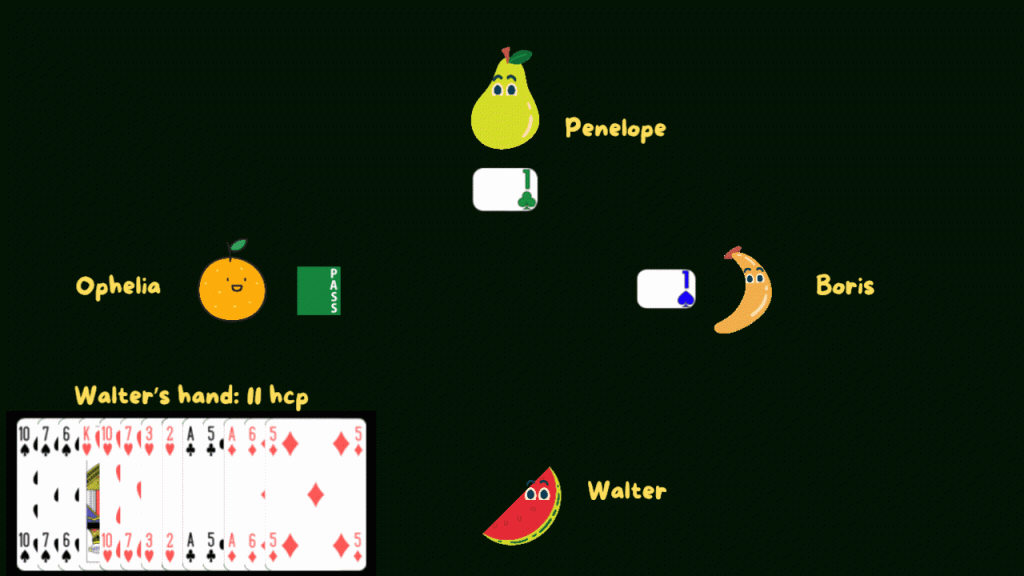
Same start to the auction, but Walter has a slightly stronger hand. What should he bid?
Here, Walter satisfies both conditions for showing his own suit at the 2 level: He has five cards in the suit, and he has invitational strength, so he can happily bid 2♥.
Penelope has opened 1♦ (showing at least four diamonds) and Boris has overcalled 1♠. What is Walter’s best bid here?
Walter has only three diamonds so he doesn't have fit with partner and therefore can't raise her suit. Double would show four or more hearts (minor-major: double shows the other major) and he has only two. 1NT would show about 6 to 10 points and some strength in the opponents' suit (remember Not Troubled by your suit) so that fits the bill perfectly here.
Again, the auction starts with a 1♦ opening and a 1♠ overcall, but this time Walter has a game forcing hand. What should he bid?
Walter's hand does meet the requirements to bid 2♣, so if you chose that answer you are not wrong. However, Walter wants to avoid playing in a minor suit and he has no interest in hearts, so NT looks like the most likely game. He can see that he has good spades and he can let Penelope know this right away by bidding 3NT. This shows both his game forcing strength and his spade stops.
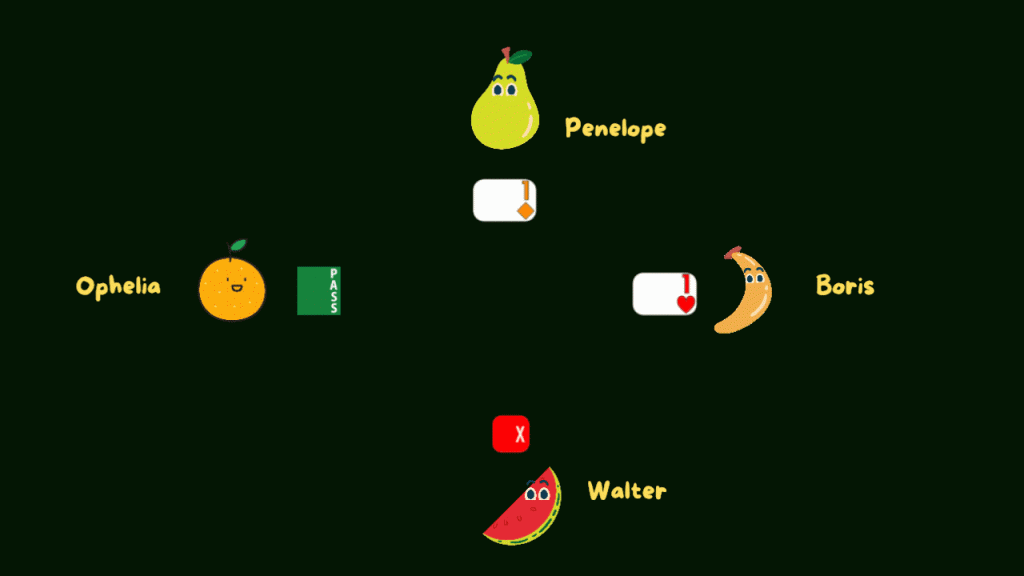
What does Walter’s double show here?
It's a minor-major sequence, so double shows the other major. Because Walter had room to bid spades at the one level, double shows exactly four cards in the suit, whereas bidding 1♠ would have shown five.
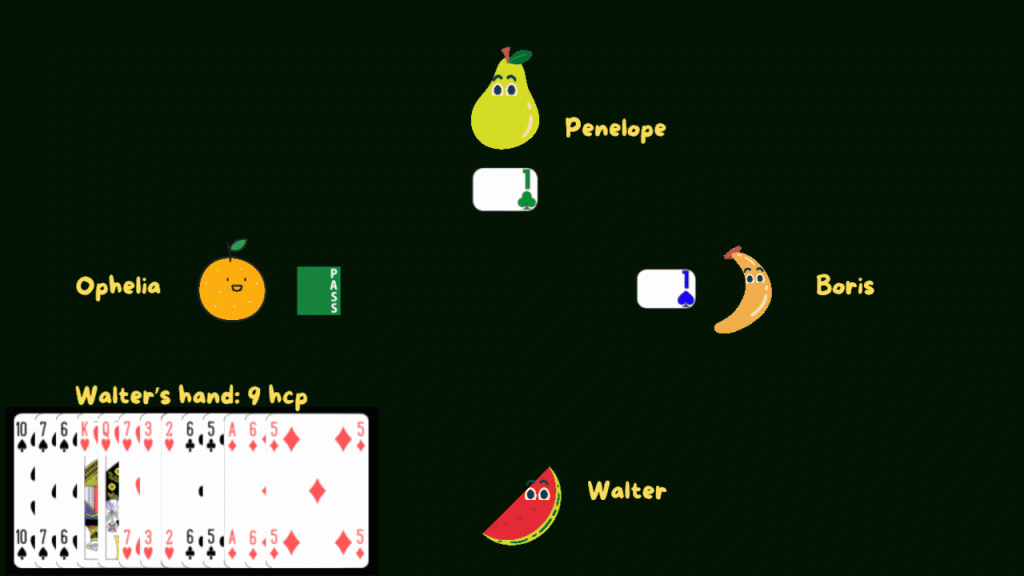
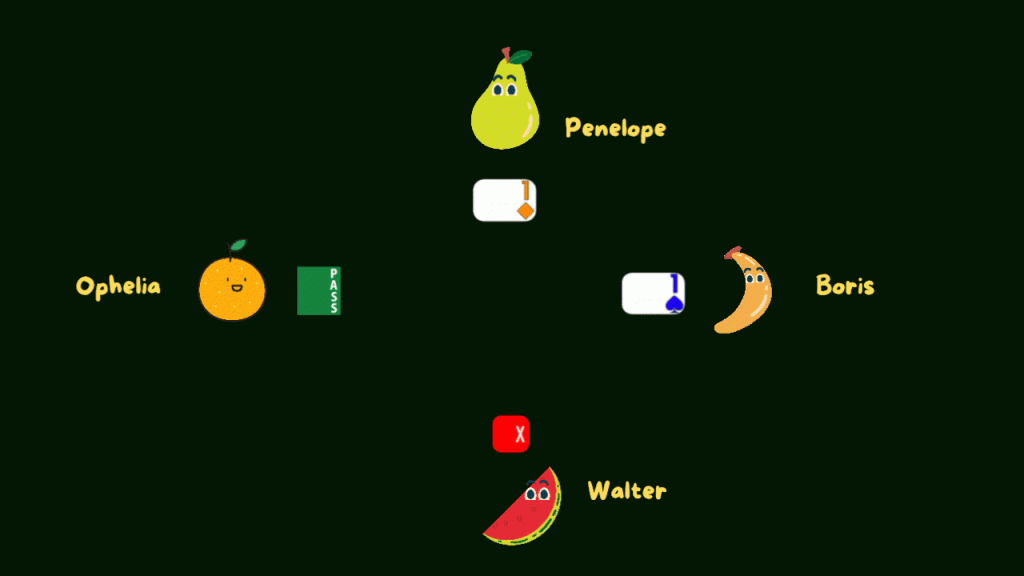
What about here?
Minor-major again, so the other major. But when you are showing hearts in this way you can have more than four because it's often the case that you have more hearts but not enough strength to go to the 2 level. Or more strength but only four hearts.
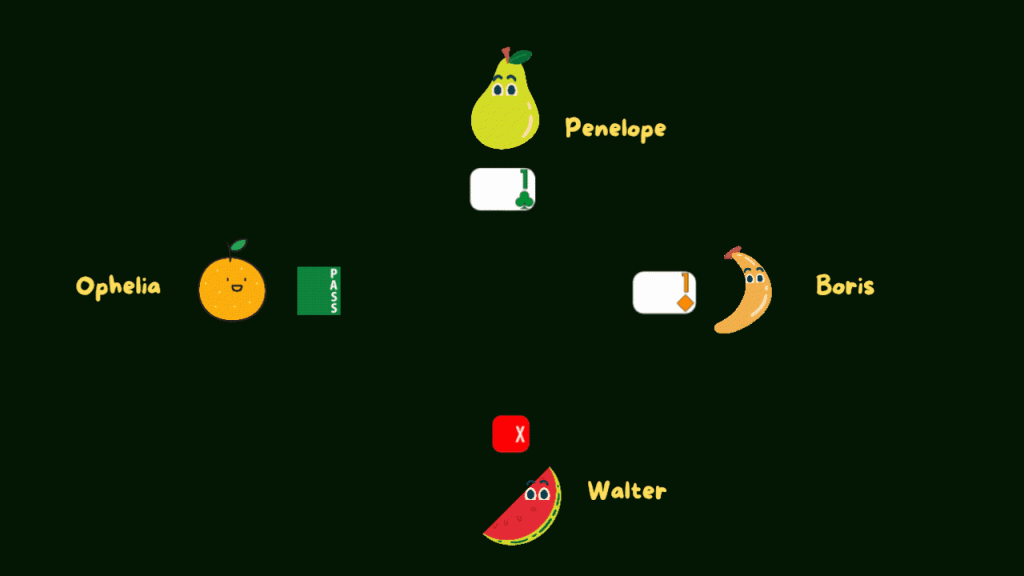
And the final question in this marathon quiz. What does Walter’s double say that he has here?
This is a minor-minor sequence, so double shows both majors. Walter should have exactly four cards in each because if he had a longer major, he could bid that at the one level, and bid the other next time round to show 5-4. If he had 5-5 majors, he would bid spades first and then hearts, and if he only had one 4-card major he could just bid it naturally.
The links will take you to the Bridge Training website, where you can have a go at bidding after the opponents overcall. You will then be able to play the hands and see if you can make your contract. Have as many goes as you like if you don’t succeed the first time.