Other Uses of Double
Try some hands
Both of your opponents are bidding, but you can get involved in the auction in a way that gives partner a pretty good description of your hand.
When partner opens the bidding you can see that you have enough strength for game. Your right hand opponent overcalls and now your need to find the description of your hand that will help your side to find the best game contract.
Both opponents and your partner have bid before you get a look-in. You don’t have fit with partner’s suit, but you can still make a helpful bid. The play is tricky, but see if you can guarantee two ruffs in each hand. Hint: look at clubs before diamonds!
You are going to be defending this hand for a change. See if you can help partner to get the defence off to the best possible start and beat the contract.
Other Uses of Double
Double is probably the most versatile bid in the box. Watch the video to see some of its other useful meanings.
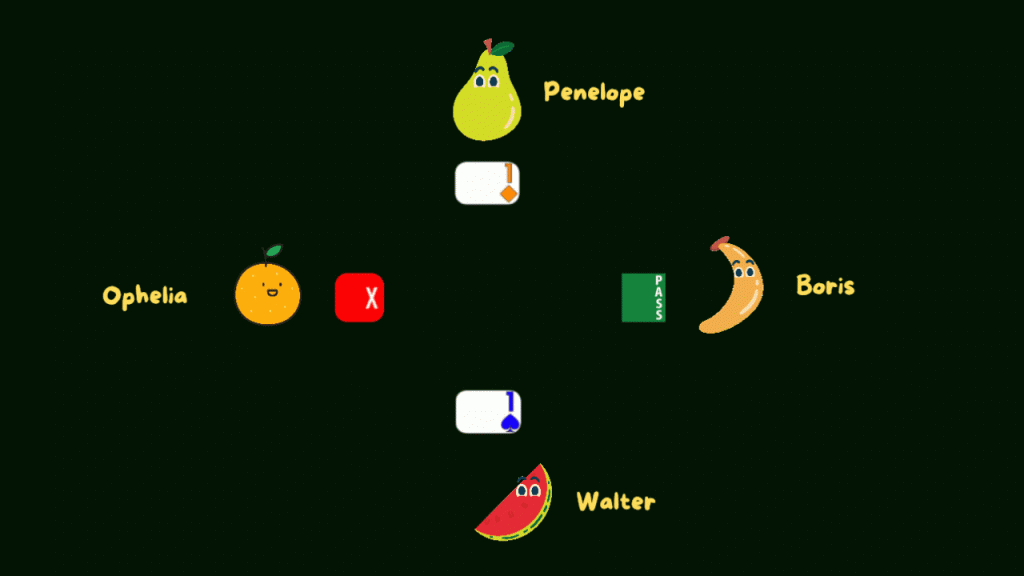
What does Ophelia’s double show here?
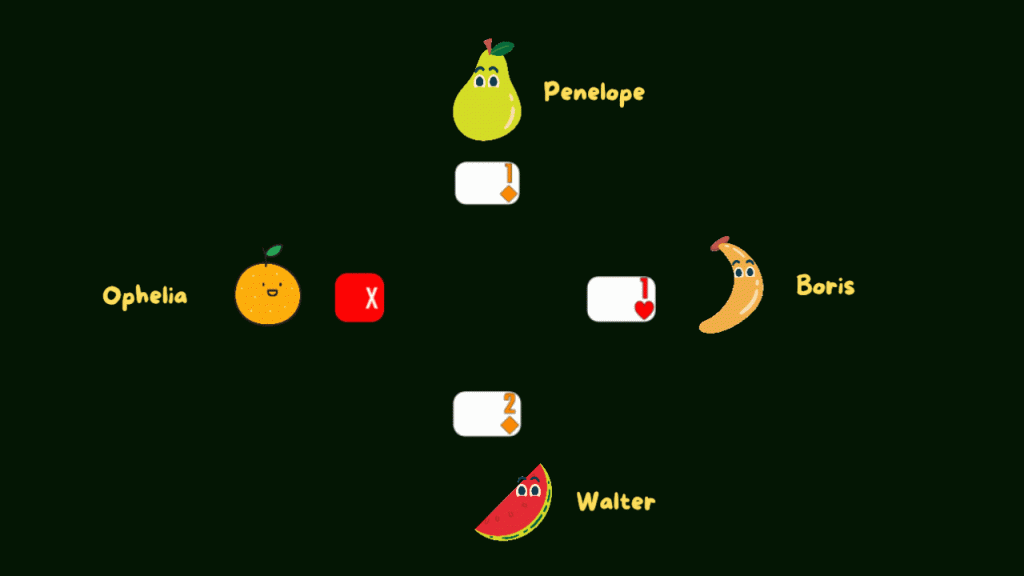
What about in this auction? What is Ophelia showing here?
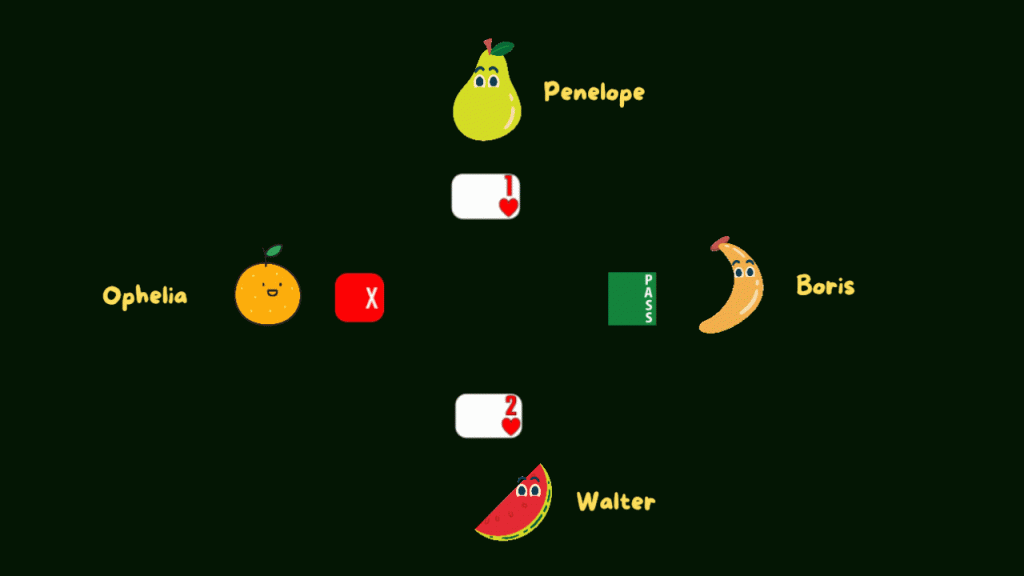
Ophelia is really getting into the swing of this doubling thing. What is she showing this time?
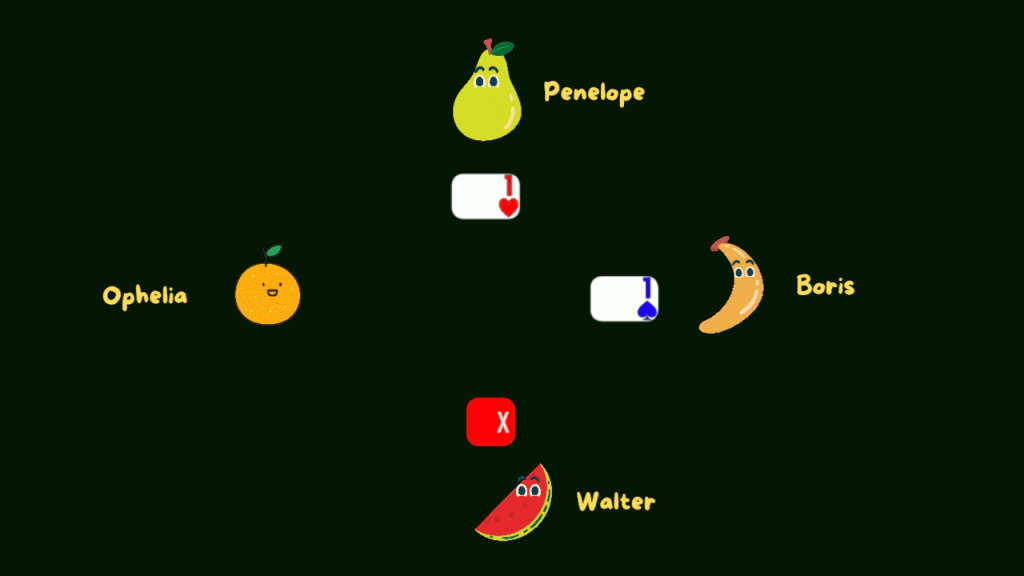
Ophelia is taking a break, and Walter is doubling this time. What does his double show?
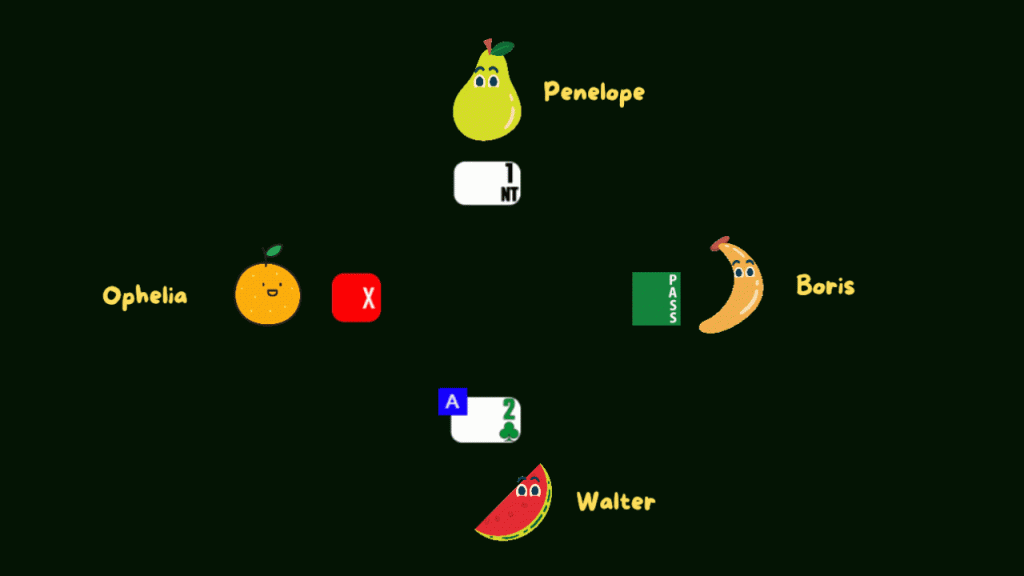
Walter’s response to his partner’s 1NT opening is Stayman, an artificial bid asking about major suits. This would be alerted by your opponents (the alert is shown here by the little blue ‘A’). What does Ophelia’s double show?
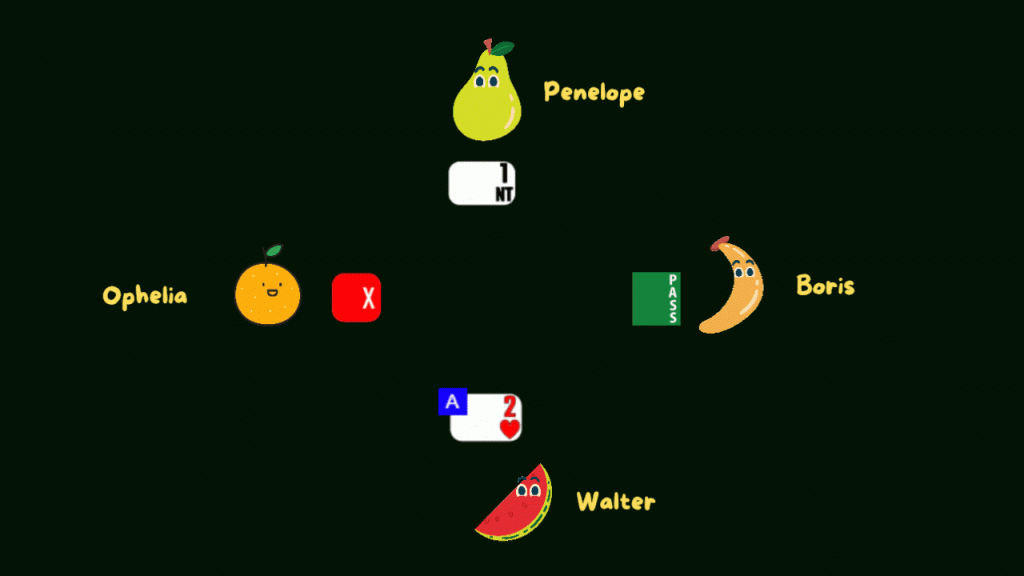
Here, Walter’s 2♥ bid is a transfer to spades. What does Ophelia’s double show?
The links below will take you to the Bridge Training website, where you can practice using double in different ways before playing the hands. In the first three hands, leaving the master trump will be the card play theme. This is when the opponents only have one trump left between them and it is higher than all of yours – normally we shouldn’t draw it because it wastes two of our trumps on a losing trick. Bear that in mind as you have a go at the hands.